







States are set to impose SNAP cuts on sugary soft drinks and candies.
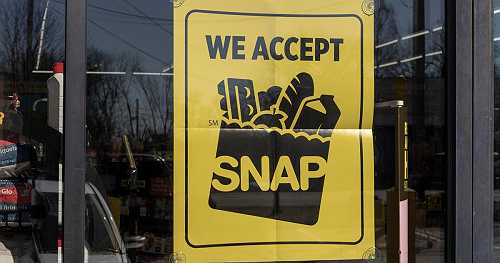 The SNAP Waivers: A Double-Edged Sword for America's Most Vulnerable
As we welcome a new year, millions of Americans are bracing themselves for the impact of a contentious policy change. The Supplemental Nutrition Assistance Program (SNAP), also known as food stamps, is set to undergo significant restrictions in five states, affecting over 1.4 million people. While proponents argue that these waivers will promote healthier eating habits and reduce healthcare costs, critics warn that they will only exacerbate the existing problems of food insecurity and stigma.
The new rules, which take effect on January 1st, vary by state but share a common goal: to limit the purchase of sugary drinks and junk foods. In Utah and West Virginia, SNAP recipients will no longer be able to buy soda and soft drinks. Nebraska will prohibit the use of these benefits for energy drinks as well. Indiana will target soft drinks and candy, while Iowa's rules are the most restrictive, banning taxable foods, including soda and candy, but also certain prepared foods.
But what does this mean for those who rely on SNAP? For Marc Craig, a 47-year-old living in his car since October, the new waivers will only add to his struggles. "They treat people that get food stamps like we're not people," he said, echoing the sentiments of many who feel stigmatized by the system. With $298 in monthly benefits, Craig is already struggling to make ends meet. The added complexity and uncertainty of navigating these new rules will only make it harder for him to access the food he needs.
The impact on retailers is also a concern. A report by the National Grocers Association estimates that implementing SNAP restrictions will cost U.S. retailers $1.6 billion initially and $759 million each year going forward. "Punishing SNAP recipients means we all get to pay more at the grocery store," said Gina Plata-Nino, SNAP director for the anti-hunger advocacy group Food Research & Action Center.
But what about the health benefits? Proponents argue that limiting access to sugary drinks and junk foods will lead to healthier eating habits and reduced healthcare costs. However, health experts warn that this approach ignores the root causes of poor nutrition. "This doesn't solve the two fundamental problems, which is healthy food in this country is not affordable and unhealthy food is cheap and ubiquitous," said Anand Parekh, a medical doctor and chief health policy officer at the University of Michigan School of Public Health.
The SNAP waivers are a departure from decades of federal policy, which has long allowed recipients to use their benefits for "any food or food product intended for human consumption." The law also prohibits the purchase of tobacco products. But under the second Trump administration, states have been encouraged and even incentivized to seek waivers – and they responded.
As we move forward in this new year, it's essential that we consider the broader implications of these policy changes. Rather than simply restricting access to certain foods, we should be working towards creating a more equitable food system that prioritizes affordability and accessibility. This means supporting local farmers, investing in nutrition education, and addressing the systemic issues that drive food insecurity.
The SNAP waivers are a double-edged sword – they may promote healthier eating habits, but they also risk exacerbating the existing problems of food insecurity and stigma. As we navigate this complex issue, let's remember that the solution lies not in restricting access to certain foods, but in creating a more just and equitable food system for all.
Topic Live








