







26 dead and 14 missing after a major disaster in northeastern Nigeria caused by a boat capsize.
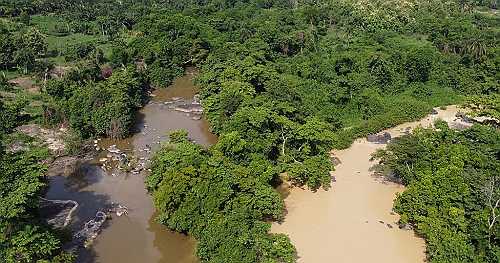 Tragedy Strikes Nigeria's Waterways: A Devastating Boat Capsizing Incident
As we navigate through the complexities of life, it's essential to acknowledge the harsh realities that surround us. In recent times, our world has witnessed numerous tragedies, each leaving an indelible mark on our collective consciousness. One such incident that has left many shaken is the boat capsizing in northeastern Nigeria, which resulted in the loss of 26 precious lives and left 14 others missing.
The incident occurred late Saturday evening when a rudimentary passenger boat, carrying farmers and fishermen from Jigawa State to Yobe State, met its untimely demise. The vessel, which was reportedly overloaded, succumbed to the forces of nature, leaving behind a trail of devastation. According to Mohammed Goje, executive director of the State Emergency Management Agency in Yobe state, emergency volunteers and rescue teams have been working tirelessly to recover the bodies and locate those still missing.
As we reflect on this heart-wrenching incident, it's essential to acknowledge that accidents like these are all too common on Nigeria's busy rivers. The reasons behind such tragedies are multifaceted – from overloaded boats to poor maintenance and a blatant disregard for safety regulations. It's disheartening to note that despite the efforts of authorities to prevent such incidents, they continue to occur with alarming regularity.
The statistics are staggering – several dozens die each year in various accidents along Nigeria's waterways. While it's been two or three years since an accident like this last occurred, the fact remains that our waterways remain a ticking time bomb, waiting to unleash its fury on unsuspecting victims. Sunusi Ahmed, a boat worker who has witnessed his fair share of close calls, aptly puts it: "The reason such accidents happen is because people overload the boats. However, despite that, some measures were taken to avert that, yet we also call on the authorities to take firm action against overloading."
As we mourn the loss of these precious lives, it's essential to hold our leaders accountable for their actions – or lack thereof. The boat captain, who is likely to face prosecution if he survives, must be held responsible for his role in this tragedy. It's high time that our authorities took a firm stance against overloading and ensured that safety regulations are strictly enforced.
This incident serves as a poignant reminder of the importance of prioritizing safety above all else. As we navigate through the complexities of life, it's essential to acknowledge that our actions have consequences – both immediate and long-term. By taking proactive measures to prevent such incidents, we can create a safer environment for ourselves and future generations.
In conclusion, the boat capsizing incident in northeastern Nigeria is a stark reminder of the fragility of life and the importance of prioritizing safety above all else. As we reflect on this tragedy, let us use it as an opportunity to learn from our mistakes and strive towards creating a safer world – one where such incidents become a rarity rather than a norm.
What can be done to prevent such incidents in the future?
* Enforce strict safety regulations and ensure that boat captains adhere to them.
* Implement measures to prevent overloading, such as limiting the number of passengers or implementing weight restrictions.
* Provide regular training and workshops for boat workers on safety protocols and emergency procedures.
* Increase awareness campaigns to educate the public about the dangers of overloading and the importance of prioritizing safety.
By working together, we can create a safer world – one where such incidents become a rarity rather than a norm. Let us use this tragedy as an opportunity to learn from our mistakes and strive towards creating a brighter future for ourselves and generations to come.
Topic Live






