







Initiating Payments from the Gambia Reparations Commission to Victims Of Jammeh-era Abuse Based on Long-standing Principles.
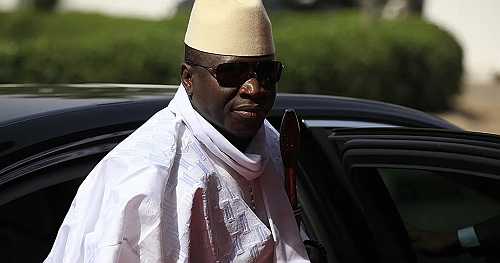 A New Era of Justice: The Gambia Reparations Commission Begins Payments to Victims of Jammeh's Regime
In a landmark move towards transitional justice and reconciliation, the Gambia Reparations Commission has started making payments to victims of human rights abuses committed during the regime of former President Yahya Jammeh. This significant development marks a crucial step towards healing the wounds of the past and providing long-overdue compensation to those who suffered under Jammeh's authoritarian rule.
For over two decades, Jammeh's grip on power was marked by widespread human rights violations, including extrajudicial killings, arbitrary arrests, and torture. His regime left an indelible scar on The Gambia, leaving behind a trail of trauma and suffering that continues to affect the country today. However, with the establishment of the Reparations Commission in 2017, there is finally hope for justice and accountability.
The commission's mandate is clear: to investigate abuses, collect testimonies from victims and witnesses, and work towards transitional justice and reconciliation. This ambitious project requires a commitment to transparency, victim-centeredness, and transformative reparations – principles that the commission has reaffirmed in its statement on the payments.
Jammeh, a military officer who seized power in 1994, held onto the presidency until 2017 when he was forced into exile after losing the presidential election to Adama Barrow. His departure marked a new era for The Gambia, one that promised hope and renewal. However, the legacy of his regime continues to haunt the country, and it is only through efforts like those of the Reparations Commission that we can begin to heal the wounds of the past.
The commission's work is not just about providing financial compensation; it is also about acknowledging the suffering of victims and their families. By doing so, The Gambia can take a crucial step towards reconciliation and rebuilding trust between its citizens and the state. This process will undoubtedly be challenging, but with the Reparations Commission at the helm, there is renewed hope for justice and accountability.
As we reflect on this significant development, it is essential to remember that transitional justice is not just about punishing perpetrators or providing compensation; it is also about creating a culture of respect for human rights and the rule of law. The Gambia's journey towards healing and reconciliation will be long and arduous, but with the Reparations Commission leading the way, there is finally light at the end of the tunnel.
The payments made by the commission are a testament to its commitment to delivering transformative reparations that prioritize the needs and experiences of victims. This approach recognizes that justice is not just about punishing those responsible for human rights abuses; it is also about providing support and compensation to those who suffered under their regime.
In conclusion, the Gambia Reparations Commission's decision to begin payments to victims of Jammeh's regime marks a significant milestone in The Gambia's journey towards transitional justice and reconciliation. This development offers hope for healing, accountability, and justice – essential components for building a more just and equitable society. As we move forward on this path, it is crucial that we continue to prioritize the needs and experiences of victims and their families, working towards a future where human rights are respected and protected.
Topic Live






