







"military Cyber Psychological Oppositions from Sources."
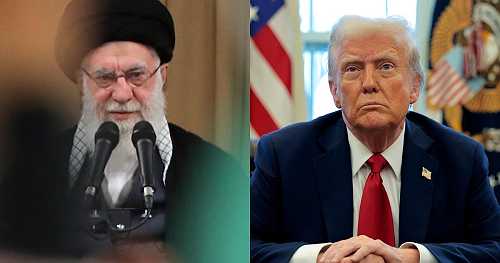 "A Web of Options: Trump's Iran Briefing Raises Questions About the Future of Conflict Resolution"
As the world watches with bated breath, President Trump has been briefed on a wide array of military and covert tools that can be used against Iran. The details are shrouded in secrecy, but one thing is clear: the United States is preparing for scenarios in which conflict could extend beyond battlefield strikes to include sustained digital and influence campaigns.
The briefing, which took place at the White House, was attended by President Trump's national security team, who will hold a meeting on Tuesday to discuss updated Iran options. The officials involved have emphasized that no final decision has been made, but the expanded menu of options suggests that Washington is preparing for all eventualities.
At the heart of this new strategy are cyber operation options and psychological campaigns intended to disrupt Iranian command structures, communications, and state-run media. These operations can occur simultaneously with traditional military force or be deployed as stand-alone options. The officials have not detailed what digital infrastructure is under consideration for targeting in Iran or what the psychological campaign against Iran's state-run media would look like if Mr. Trump were to authorize it.
The use of cyber warfare and psychological campaigns raises questions about the future of conflict resolution. In an era where technology has become increasingly intertwined with our daily lives, the boundaries between war and peace are becoming increasingly blurred. The ability to disrupt digital infrastructure and manipulate public opinion through propaganda and disinformation can have far-reaching consequences, both on the battlefield and in the global arena.
The situation is further complicated by the fact that diplomatic channels remain open. Iranian Foreign Minister Abbas Araghchi has reached out to Special Envoy Steve Witkoff to engage in direct diplomatic talks, a possible meeting is under discussion. This development suggests that despite the tensions between the two nations, there are still those who believe in the power of diplomacy.
The protests sweeping Iran have been met with violence from security forces, resulting in at least 544 deaths and widespread human rights abuses. The Iranian government has responded by cutting phone service and internet access in the capital during the protests, a move that has been condemned by human rights groups around the world.
President Trump has warned that if Iran begins "killing people like they have in the past, we would get involved," saying: "We'll be hitting them very hard where it hurts." This statement raises questions about the role of the United States in the conflict and whether military intervention is a viable solution to the crisis.
The situation is complex and multifaceted, with various stakeholders vying for influence. The use of cyber warfare and psychological campaigns adds a new layer of complexity to the conflict, raising questions about the future of conflict resolution and the role of technology in modern warfare.
As the world watches this unfolding drama, one thing is clear: the stakes are high, and the consequences of failure will be severe. It remains to be seen whether President Trump's Iran briefing will lead to a new era of conflict or a renewed commitment to diplomacy. One thing is certain, however: the future of conflict resolution has never been more uncertain.
Topic Live






