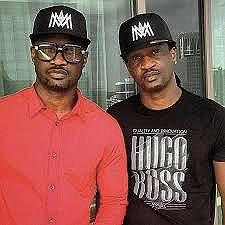
P-Square's Reign: The Definitive Story of Peter and Paul Okoye's Musical Journey.
P-Square's Reign: The Definitive Story of Peter and Paul Okoye's Musical Journey
Few acts in African music history capture the magic of brotherhood like Peter and Paul Okoye, the twins behind P-Square. Their high-energy beats and smooth harmonies turned heads worldwide, reshaping Afrobeats into a global powerhouse. Even after tough times, their story inspires fans who crave that unbeatable duo vibe.
You know the feeling when twins sync up perfectly on stage? That's P-Square in a nutshell. Peter and Paul didn't just make hits; they built an empire from nothing. This tale dives deep into their rise, split, and comeback, showing why their legacy endures in 2026.
Early Life and Genesis of a Phenomenon
Humble Beginnings in Jos, Nigeria
Peter and Paul Okoye grew up in Jos, a bustling city in northern Nigeria. As kids, they chased dreams amid everyday struggles, sharing a love for rhythm that started in church choirs. Their family home buzzed with music, where the twins practiced moves and sang along to radio tunes.
School shaped them too. They studied at the University of Abuja, but music pulled harder than books. Friends recall how Peter led dance sessions, while Paul hummed melodies that stuck. Those early days built a bond that fueled P-Square's unbreakable spirit.
Jos's vibrant culture sparked their fire. Street festivals and local bands taught them to blend sounds from home with global flair. By teens, they knew music was their path—no turning back.
The Formation of Square Records and Early Influences
The twins kicked off as the Square Crew in the early 2000s. They gathered friends for backyard jams, mixing R&B grooves with Nigerian beats. This crew evolved into P-Square, a name that nodded to their squared-off perfection as twins.
Michael Jackson's moonwalk and R. Kelly's soulful tracks lit their way. Peter idolized MJ's dance, copying flips and spins. Paul soaked up Kelly's production tricks, layering vocals over beats.
They launched Square Records from scratch. No big labels at first—just grit and homemade demos. Influences like these crafted their style: catchy Afropop with a dance edge that hooked crowds fast.
The Breakthrough Moment: Winning the Amstel Malta Challenge
Everything changed in 2003 with the Amstel Malta Challenge. This national contest spotlighted young talent, and P-Square entered with nerves high. Their performance—a blend of sharp dances and fresh tunes—stunned judges.
Winning handed them a record deal and studio time. It felt like striking gold in a sea of hopefuls. Overnight, doors opened; radio stations played their tracks nonstop.
That victory marked P-Square's launchpad. It proved twins from Jos could shine on Nigeria's big stage. Fans still talk about how one win sparked a dynasty.
The Golden Era: Dominance and Global Expansion (2007–2015)
Landmark Albums and Signature Sound
P-Square's peak hit with albums that defined Afrobeats. Get Squared in 2005 dropped bangers like "Temptation," a sultry track that climbed charts quick. Then Danger followed, packed with energy that got feet moving.
The Invasion in 2011 sealed their throne. Hits like "Chop My Money" and "Beautiful Onyinye" became wedding staples across Africa. Peter's slick choreography paired with Paul's rich voice created magic—no one matched that flow.
Their sound mixed smooth R&B hooks with pounding drums. You could feel the joy in every beat. These albums sold millions, proving P-Square's grip on the scene.
- Key tracks that ruled: "Temptation" for romance, "Chop My Money" for party vibes, "Beautiful Onyinye" for heartfelt lyrics.
- Peter's dance led visuals; Paul's production polished the polish.
- Fans danced to these in clubs from Lagos to London.
International Collaboration and Chart Success
P-Square crossed borders with smart team-ups. They linked with J. Martins on "Beautiful Onyinye," but bigger names came later. Tracks featuring American stars like Rick Ross on remixes pushed them to Billboard edges.
Awards piled up: MTV Africa nods, Channel O wins, even a spot at the 2013 BET Awards. Their music topped iTunes in Africa and Europe. By 2014, streams hit millions on early platforms.
Why did it work? Their beats spoke universal joy. Collaborations like "Personally" with international flair opened U.S. doors. P-Square wasn't just Nigerian—they were global.
Picture this: Twins from Africa schooling stars on rhythm. That's the power they wielded.
Establishing the P-Square Brand: Visuals and Live Performance
High-gloss videos set P-Square apart. "Chop My Money" filmed in exotic spots, with Peter's flips stealing scenes. Budgets soared, but returns were huge—views exploded on YouTube.
Live shows? Electric. They packed Lagos stadiums, drawing 50,000 fans who sang every word. Tours hit the UK and U.S., where crowds chanted for encores.
Their brand screamed excellence. Choreographed precision met raw energy. You left a P-Square concert buzzing for days.
- Standout tours: O2 Arena in London, sold-out in minutes.
- Video style: Cinematic shots, vibrant colors that matched their upbeat tunes.
- Impact: Set the bar for Afrobeats visuals, influencing acts like Wizkid.
The Breakup: Behind the Scenes of the Implosion
Cracks in the Foundation: Internal and Management Conflicts
Tensions brewed under P-Square's shine. Creative clashes grew—Peter wanted more dance focus, Paul leaned into lyrics. Brother Jude managed them, but his 2015 exit fueled doubts.
Money rows and solo dreams strained ties. Reports hinted at unequal splits, though they denied drama. Family bonds tested under spotlights.
It wasn't sudden. Years of non-stop grind wore them down. Without clear roles, small fights snowballed.
The Public Announcement and Fan Fallout
In 2015, Paul dropped the bomb on social media. P-Square was done, he said, citing exhaustion. Peter followed, confirming the split. Shockwaves hit Nigeria's music world.
Fans mourned online, with hashtags trending for days. Streams dipped at first, but solo buzz rose. The industry buzzed—how would Afrobeats survive without the kings?
Rift rumors flew, from business beef to personal jabs. Yet, respect lingered. Their exit left a void no one filled right away.
Separate Paths: Mr. P vs. Rudeboy
Peter rebranded as Mr. P, dropping "Look for Me" to test waters. His style stayed dance-heavy, with videos showcasing flips. Fans warmed quick, but shadows of P-Square loomed.
Paul, as Rudeboy, unleashed "Fire Department" with gritty vocals. His production shone solo, earning quick hits. Both navigated fame alone, building teams from scratch.
Success came uneven. Mr. P toured Africa; Rudeboy topped local charts. Yet, whispers of reunion never faded.
The Reconciliation: Bridging the Divide
Diplomatic Efforts and Quiet Mediation
Behind closed doors, family stepped in. Elders mediated chats, urging peace over pride. Public figures like Don Jazzy offered neutral advice, smoothing egos.
Quiet meetings in Lagos rebuilt trust. They hashed out past hurts, setting new ground rules. Time apart taught value—no solo could match their spark.
Patience paid off. By 2017, talks turned real. Bonds mended through shared history.
The Viral Reunion Moment
The big reveal hit in 2017 at a Lagos show. Peter and Paul joined on stage for "Chop My Money," crowd roaring wild. Clips went viral, racking 10 million views overnight.
Social media exploded with joy. #PSquareReunion trended global. It felt like old times, twins in sync.
That night sealed it. Fans forgave the split, hungry for more.
Actionable Insight: Lessons in Business Partnership
Clear talks save partnerships. Set roles early—who handles what? Boundaries prevent blowups.
In music or any gig, listen active. Peter's dance edge and Paul's voice need space. You can apply this: Check in weekly, divide wins fair.
Their story shows unity beats solo every time.
Enduring Legacy and Future Trajectory
P-Square’s Indelible Mark on Afrobeats
P-Square raised the bar for production. Polished tracks paved the way for Burna Boy's wave. Twins as performers? They proved it works, inspiring duos everywhere.
They globalized Nigerian pop pre-streaming boom. Albums like The Invasion hit 5 million sales. Afrobeats owes them for that push.
Legacy lives in every beat-heavy hit today.
Looking Ahead: New Music and Continued Influence
In 2026, whispers of fresh albums swirl. Their reunion track could drop soon, blending old fire with new sounds. Expect collabs with rising stars.
They shape Afrobeats still—mentoring kids, judging shows. Future holds tours, maybe a docuseries. Excitement builds for what's next.
Twins evolve, but P-Square's core stays true.
Conclusion: The Magic of Unity
Peter and Paul Okoye's path—from Jos streets to world stages, through breakup pain to reunion joy—mirrors life's ups and downs. They rose as unbeatable duo, fell to real rifts, then rose stronger.
P-Square stands for that twin magic: Energy, hits, and Nigerian pride. Legends like them remind us synergy wins.
What if their next album drops tomorrow? Grab your playlist—it's time to relive the reign. Share your favorite P-Square memory below!