







Rubio's Charm Offensive at Munich Conference: A Bid to Mend Fences with European Allies
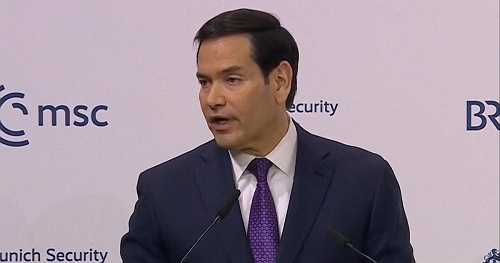 In a bid to calm rising tensions and repair strained relationships, US Secretary of State Marco Rubio took center stage at the annual Munich Security Conference. With months of sharp rhetoric and policy disputes casting a shadow over transatlantic ties, Rubio's charm offensive aimed to reassure European leaders that Washington remains committed to its alliances.
Rubio's Message of Reassurance
Speaking directly to European leaders, Rubio sought to address concerns that the US had irreparably damaged its relationships with key allies. He emphasized the importance of cooperation and mutual understanding in addressing global challenges, from security threats to economic instability. By doing so, he aimed to rekindle trust and confidence in the transatlantic partnership.
A Delicate Balance
Rubio's message was carefully calibrated to acknowledge the US's own policy disputes while avoiding blame or finger-pointing. He acknowledged that differences between Washington and its European allies were inevitable, but emphasized that these should not be allowed to overshadow shared interests and goals. By walking this fine line, Rubio hoped to create space for constructive dialogue and collaboration.
A Test of Leadership
The Munich conference provided a critical platform for Rubio to demonstrate his diplomatic skills and leadership credentials. As he navigated the complex web of alliances and rivalries, he faced a daunting challenge: to convince European leaders that the US remains a reliable partner in an increasingly uncertain world. The success or failure of this charm offensive will have far-reaching implications for transatlantic relations and global security.
As Rubio's words echoed through the Munich conference halls, they served as a reminder that even in times of tension and disagreement, diplomacy remains a vital tool for building bridges and fostering cooperation. The outcome of this charm offensive will be closely watched by policymakers, analysts, and citizens alike, as it holds the key to unlocking a more stable and secure future for all.
Topic Live






