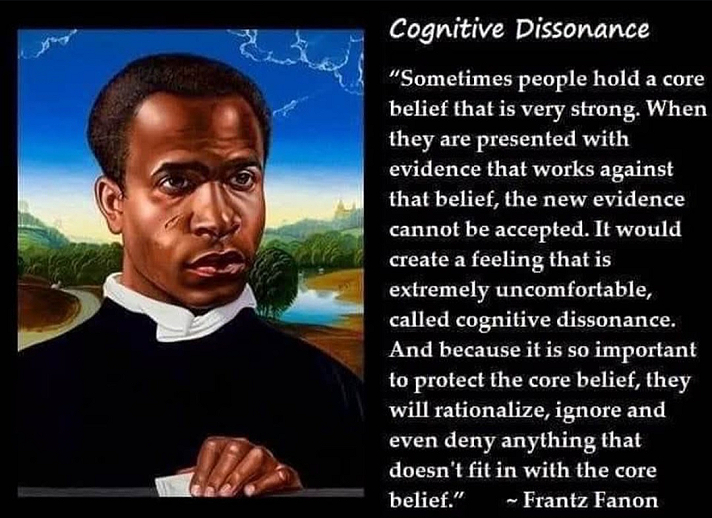


What is Cognative Dissonance and how it affects the world?
1. Politics & society - People tend to defend their beliefs, even when faced with strong evidence against them. This deepens division, fuels misinformation, and makes it harder for societies to agree on important issues like leadership, policies, or justice.
2. Health decisions - Cognitive dissonance can lead people to ignore health advice. For example, someone might know smoking is harmful but justify it by saying “it helps me relax.” This affects public health outcomes on a large scale.
3. Consumer behavior - People often convince themselves they made the “right choice” after buying something, even if it wasn’t the best option. This drives brand loyalty and sometimes overspending.
4. Relationships Instead of addressing problems, people may rationalize toxic situations (“it’s not that bad”) to avoid emotional discomfort. Over time, this can damage trust and well-being.
5. Climate & global issues Many people understand environmental problems but don’t change habits. To reduce discomfort, they may downplay the seriousness of issues like climate change, slowing global action.
Please elaborate further...
1. Politics & society - People tend to defend their beliefs, even when faced with strong evidence against them. This deepens division, fuels misinformation, and makes it harder for societies to agree on important issues like leadership, policies, or justice.
2. Health decisions - Cognitive dissonance can lead people to ignore health advice. For example, someone might know smoking is harmful but justify it by saying “it helps me relax.” This affects public health outcomes on a large scale.
3. Consumer behavior - People often convince themselves they made the “right choice” after buying something, even if it wasn’t the best option. This drives brand loyalty and sometimes overspending.
4. Relationships Instead of addressing problems, people may rationalize toxic situations (“it’s not that bad”) to avoid emotional discomfort. Over time, this can damage trust and well-being.
5. Climate & global issues Many people understand environmental problems but don’t change habits. To reduce discomfort, they may downplay the seriousness of issues like climate change, slowing global action.
Please elaborate further...