



Roots of Our Heritage
A Story of Family and Culture
Chapter 1: The Village of Traditions
In a quiet village surrounded by tall palm trees and red earth roads lived the Okoro family. The village was called Umuoma, a place where traditions were respected and families lived together like one big community.
The head of the family was Grandfather Chinedu, a wise man known for telling stories about their ancestors. Every evening, children from the compound gathered around him under the big udala tree to listen.
“Our culture is our identity,” he always said. “Without it, we forget who we are.”
His son Emeka, Emeka’s wife Ada, and their three children — Chika, Obi, and little Amara — lived in the same compound. Though times were changing and cities were growing, Grandfather Chinedu always reminded them to remember their roots.
Chapter 2: The Festival of New Yam
One bright morning, the village prepared for the New Yam Festival, one of the most important celebrations in Umuoma.
Women pounded yam while singing traditional songs. Men decorated the village square with palm leaves. The air smelled of roasted yam and spicy soup.
Young Chika asked his grandfather,
“Why do we celebrate the New Yam Festival?”
Grandfather Chinedu smiled.
“Our ancestors were farmers,” he explained. “The first yam of the harvest is offered with thanksgiving before anyone eats it. It teaches us gratitude.”
That evening, drums echoed across the village. People danced in colorful traditional clothing while elders blessed the harvest.
Chika felt proud. He realized he was part of something much bigger than himself.
Chapter 3: A Journey to the City
One year later, Emeka got a job in the city. The family had to move.
The tall buildings and busy streets were very different from the peaceful village. Chika and Obi soon began speaking more English and less of their native language.
One evening, Grandfather Chinedu noticed.
“Children,” he said gently, “never forget the language of your ancestors. It carries our history.”
So every weekend, the family gathered together. They cooked traditional food, told folktales, and practiced speaking their native language.
Even in the city, their culture stayed alive.
Chapter 4: The Lesson of the Drum
During a school cultural day, Chika decided to present something special.
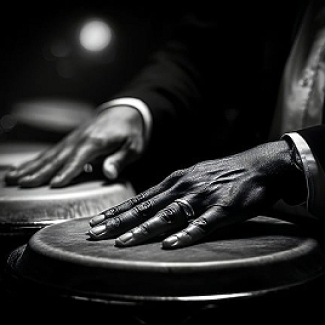
With his grandfather’s help, he learned how to play the traditional talking drum.
When he performed at school, the sound of the drum filled the hall. The rhythm told stories older than the city itself.
His classmates were amazed.
After the performance, Chika said proudly,
“This drum is part of my family’s culture. It tells the story of where I come from.”
For the first time, he truly understood the meaning of his grandfather’s words.
Chapter 5: The Roots That Hold Us
Years later, the children grew older but never forgot their traditions.
Every holiday they returned to Umuoma village. The udala tree still stood strong, just like their family.
Grandfather Chinedu, now very old, gathered them again one evening.
“A family is like a tree,” he said softly.
“The roots are our culture, the trunk is our family, and the branches are the future.”
Chika looked around at his parents, siblings, and cousins laughing together.
He knew the roots of their heritage would never be lost.
Because as long as family remembered their culture, their story would live forever.
A Story of Family and Culture
Chapter 1: The Village of Traditions
In a quiet village surrounded by tall palm trees and red earth roads lived the Okoro family. The village was called Umuoma, a place where traditions were respected and families lived together like one big community.
The head of the family was Grandfather Chinedu, a wise man known for telling stories about their ancestors. Every evening, children from the compound gathered around him under the big udala tree to listen.
“Our culture is our identity,” he always said. “Without it, we forget who we are.”
His son Emeka, Emeka’s wife Ada, and their three children — Chika, Obi, and little Amara — lived in the same compound. Though times were changing and cities were growing, Grandfather Chinedu always reminded them to remember their roots.
Chapter 2: The Festival of New Yam
One bright morning, the village prepared for the New Yam Festival, one of the most important celebrations in Umuoma.
Women pounded yam while singing traditional songs. Men decorated the village square with palm leaves. The air smelled of roasted yam and spicy soup.
Young Chika asked his grandfather,
“Why do we celebrate the New Yam Festival?”
Grandfather Chinedu smiled.
“Our ancestors were farmers,” he explained. “The first yam of the harvest is offered with thanksgiving before anyone eats it. It teaches us gratitude.”
That evening, drums echoed across the village. People danced in colorful traditional clothing while elders blessed the harvest.
Chika felt proud. He realized he was part of something much bigger than himself.
Chapter 3: A Journey to the City
One year later, Emeka got a job in the city. The family had to move.
The tall buildings and busy streets were very different from the peaceful village. Chika and Obi soon began speaking more English and less of their native language.
One evening, Grandfather Chinedu noticed.
“Children,” he said gently, “never forget the language of your ancestors. It carries our history.”
So every weekend, the family gathered together. They cooked traditional food, told folktales, and practiced speaking their native language.
Even in the city, their culture stayed alive.
Chapter 4: The Lesson of the Drum
During a school cultural day, Chika decided to present something special.
With his grandfather’s help, he learned how to play the traditional talking drum.
When he performed at school, the sound of the drum filled the hall. The rhythm told stories older than the city itself.
His classmates were amazed.
After the performance, Chika said proudly,
“This drum is part of my family’s culture. It tells the story of where I come from.”
For the first time, he truly understood the meaning of his grandfather’s words.
Chapter 5: The Roots That Hold Us
Years later, the children grew older but never forgot their traditions.
Every holiday they returned to Umuoma village. The udala tree still stood strong, just like their family.
Grandfather Chinedu, now very old, gathered them again one evening.
“A family is like a tree,” he said softly.
“The roots are our culture, the trunk is our family, and the branches are the future.”
Chika looked around at his parents, siblings, and cousins laughing together.
He knew the roots of their heritage would never be lost.
Because as long as family remembered their culture, their story would live forever.