







Jacinda Ardern on projecting "A Different Kind of Power"
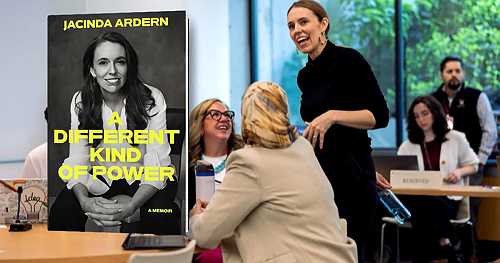 Jacinda Ardern: A Different Kind of Power
In an era where leadership is increasingly defined by innovation and inclusivity, Jacinda Ardern stands out as a trailblazer who redefined political leadership. At just 37 years old, she became New Zealand's youngest female Prime Minister, setting a record that has yet to be surpassed. Her recent move to Harvard University underscores her commitment to personal growth while in public service, and her new book "A Different Kind of Power" serves as a blueprint for modern governance.
Jacinda Ardern's journey began when she was elected PM at 37, marking a significant milestone in New Zealand political history. Her leadership style is characterized by empathy, inclusivity, and an inclusive approach to policymaking. In her book, she explores the essence of power through various lenses, challenging traditional notions of leadership. She emphasizes that power lies within, advocating for empowerment at every level of society.
The publication of "A Different Kind of Power" coincides with her transition to Harvard, where she continues to refine her ideas and reflect on her experiences. The book delves into themes such as kindness in politics, the importance of empathy, and innovation—elements that are crucial yet often overshadowed in traditional political discourse. Ardern's narrative is a testament to how inclusive leadership can foster positive change.
Jacinda Ardern's recent interview with "Sunday Morning" national correspondent Robert Costa shed light on her multifaceted approach to leadership. She discussed the pivotal moment when she introduced a ban on semi-automatic firearms, highlighting her commitment to public safety and her ability to translate empathy into action. Her reflections also touched on the challenges of balancing work and family life as a mother, offering insights into how she maintains this balance amidst the demands of a demanding career.
The personal side of her leadership is equally compelling. Ardern's experience as a working mother emphasizes the importance of adaptability in leadership roles. She reflects on the emotional toll of parenting during her time in office but also underscores the rewarding aspect of nurturing both professional and personal growth. Her story serves as an inspiration, showing that leadership can be both demanding and deeply personal.
In conclusion, Jacinda Ardern's "A Different Kind of Power" is not just a political manifesto but a heartfelt exploration of leadership. It resonates with readers by highlighting how empathy, inclusivity, and a genuine connection to the people are essential components of effective governance. Ardern's journey from a young Prime Minister to an Harvard fellow exemplifies the evolving nature of leadership in an ever-changing world.
------
Topic Live








