







Trump's strike against Iran divides Congress on war powers
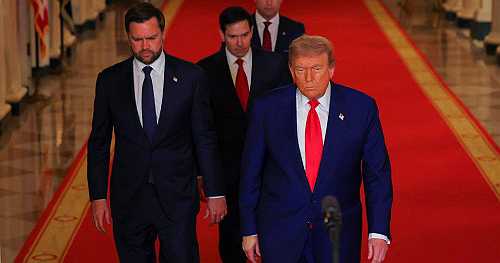 The article discusses Trump's decision to strike against Iran, which has divided Congress on war powers, prompting bipartisan support for a War Powers vote. This shift reflects the broader political dynamics within the U.S., where both the president and House of Representatives are focused on maintaining control over internal issues such as military capabilities and diplomatic influence.
Key points:
1. Divisibility: Trump's strike has caused tension between the White House and Congress, affecting their ability to declare war, a critical foreign policy issue involving Iran's nuclear activities.
2. Bipartisan Effort: A bipartisan contingent is advocating for a War Powers vote, aiming to regain Congress' power to declare war. This could either strengthen U.S. diplomatic influence or weaken it by limiting external control.
3. Implications: If declared war gives Congress more autonomy over internal conflicts, it might allow greater flexibility in addressing other issues like trade wars or military conflicts elsewhere.
4. Counterarguments: Potential concerns about Trump's actions interfering with U.S.-backed diplomatic efforts and the broader tensions within the political arena.
5. Tension and Reconciliation: The strike represents a complex interplay of domestic politics, international relations, and strategic decisions to navigate external challenges like the trade war between the U.S. and China.
In summary, Trump's decision has marked significant divides in Congress on war powers, prompting bipartisan support for declaring war again. This reflects ongoing tensions in both domestic and international relations, highlighting strategies to navigate these conflicts with varying interpretations of their implications.
------
Topic Live






