







A new study has discovered a connection between traumatic brain injuries and an increased risk of developing brain cancer.
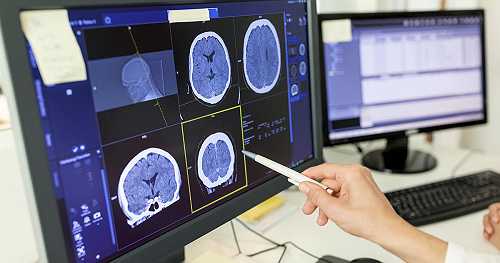 Title: The Unseen Link Between Traumatic Brain Injury and Brain Cancer Risk
In recent weeks, a groundbreaking study has emerged that links traumatic brain injuries (TBI) with an increased risk of developing malignant brain tumors. This discovery underscores the importance of understanding how brain injury impacts both physical and mental health, particularly in the long-term consequences of chronic trauma. Researchers at Mass General Brigham have conducted a large-scale study involving 15,000 individuals who experienced moderate to severe TBI. The findings reveal that while some of these individuals were more likely to develop brain cancer compared to those without a history of TBI, other factors also contribute significantly to this risk.
Background on Traumatic Brain Injury (TBI)
Traumatic brain injury is one of the most common causes of mental and physical disability in adults. It occurs when a person is exposed to trauma from an accident or other serious event that impairs their ability to move, concentrate, or think clearly for extended periods of time. While TBI typically results in long-term effects, it can sometimes have unexpected consequences, such as increased cancer risk.
The Study's Findings
Dr. Saef Izzy, a co-author of the study and an expert in critical care medicine and neuroscience at Mass General Brigham and Women's Hospital and Harvard Medical School, shared her findings at a recent CBS News segment titled "New Study Finds Link Between Traumatic Brain Injuries And Brain Cancer Risk." The study revealed that among the 15,000 TBI patients analyzed, only about 2% were more likely to develop malignant brain tumors compared to those without a history of TBI. However, it's important to note that other factors also contribute to this increased risk.
Factors Influencing Malignant Brain Tumors
The study highlights that while some individuals with TBI are more likely to develop brain cancer, the risk is not solely due to TBI itself. Previous research has suggested that genetic predisposition, family history of cancer, and environmental factors such as exposure to toxins or radiation can also play a role in increasing cancer risk.
The Importance of Early Prevention
Understanding the link between TBI and brain cancer risk has significant implications for public health and treatment options. While TBI is often overlooked due to its low prevalence (only about 1% of adults have a history of TBI), research like this underscores the importance of early identification and intervention. By prioritizing prevention, researchers can help reduce the incidence of brain cancer in those affected by TBI.
Dr. Saef Izzy's Expertise
Dr. Saef Izzy is not only a scientist but also an expert in critical care medicine. Her involvement in this study demonstrates her commitment to advancing knowledge on brain injury and its long-term consequences, particularly in the context of cancer prevention. Her work underscores the need for continued research into how TBI can be leveraged as a tool for better health outcomes.
Conclusion
The study's findings reveal that while some individuals with traumatic brain injuries may be more likely to develop malignant brain tumors, the risk is influenced by a combination of genetic, family, and environmental factors. This knowledge is crucial for improving cancer prevention strategies, especially in the context of chronic trauma like TBI. Public health initiatives can benefit from understanding the link between TBI and brain cancer to tailor interventions that address both physical and mental health challenges.
Further Reading
For more on this topic, you can explore Mass General Brigham's research on traumatic brain injury [here](https://www.massgeneral.org/research/insights/tragedical-brain-injury) and Harvard Medical School's work on brain cancer prevention [here](https://www.harvardmedschool.edu/faculty-research/brain-cancer prevention).
------
Topic Live






