







Despite budget cuts, these upgrades to the aging weather radar system had been delayed because the money was insufficient to fix it.
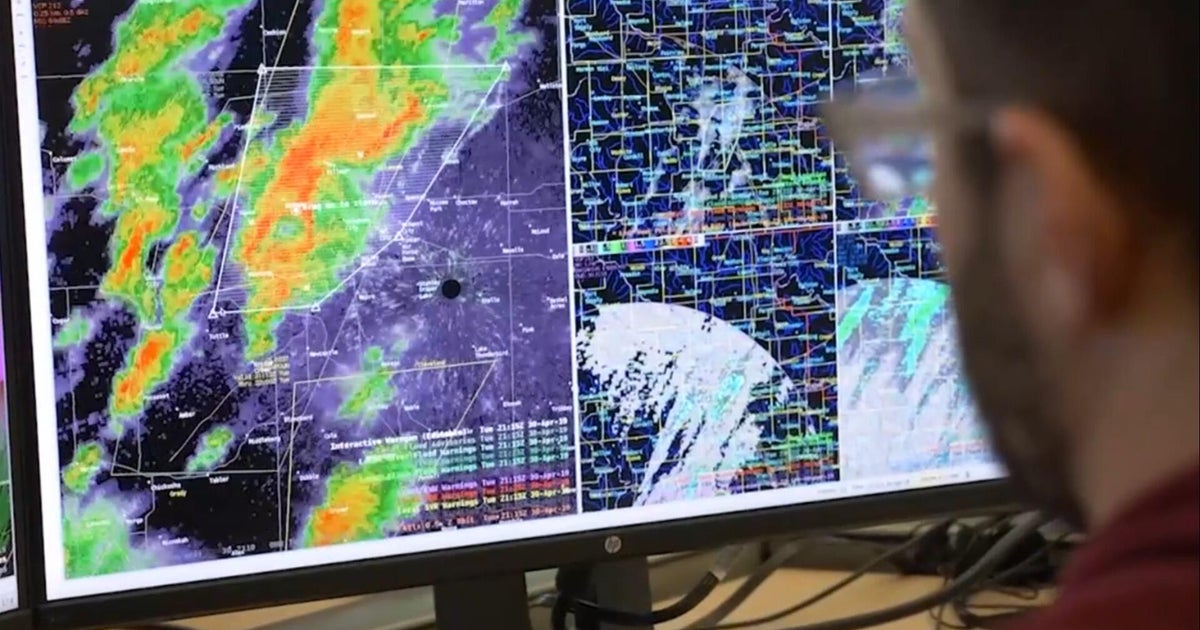 The Impact of Budget Cuts on Weather Radar System Upgrades
In recent months, budget cuts have significantly impacted efforts to modernize the National Weather Service (NWS) weather radar system. This system is crucial for providing timely warnings about severe weather events such as tornadoes, ensuring public safety and preparedness during emergencies.
Impact on Public Safety
The current NWS radar system, which has been in place for decades, relies on outdated technology that struggles with data accuracy. Older systems lack the ability to effectively monitor all weather conditions, leading to unreliable alerts. In severe weather scenarios like tornadoes, this lack of precision can cause significant damage and public concern.
Challenges from Budget Cuts
Budget cuts have made it difficult for agencies and individuals to invest in upgrading the radar system. Limited resources mean that many critical components remain underutilized or undepthed, particularly in areas with poor visibility conditions.
Lack of Trained Operators
The transition to modern technology requires skilled operators who may not be available due to budget constraints. These operators are essential for ensuring accurate and timely data transmission, which is crucial for public safety during severe weather events.
Effects on Other Weather Technologies
Several other weather systems have faced similar challenges. The National Oceanic and Atmospheric Administration (NOAA) has been working on an upgraded system that addresses some of these issues but still lags behind the NWS radar. This highlights a need for coordinated effort across agencies to improve weather technology in the face of budget cuts.
Long-Term Implications
The failure of the NWS radar system could lead to critical errors, particularly in severe weather conditions where immediate action is vital. For example, inadequate data could delay the deployment of storm models and fail to predict tornado behavior accurately, potentially causing widespread destruction and loss of life.
Call for Support
Given the urgency and potential consequences of not upholding these outdated systems, it is essential to explore alternative solutions. This includes seeking funding, collaboration with other agencies, and innovative research to enhance weather technology in a cost-effective manner. Addressing this issue now can prevent long-term setbacks and ensure continued preparedness for severe weather events.
------
Topic Live








