






"The Transcript from October closed hearing for Charlie Kirk's murder suspect was released by Utah court."
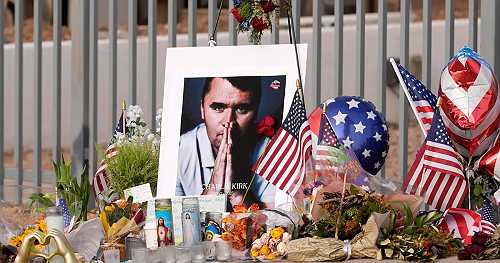 The Charlie Kirk Trial: A Glimpse into the Complexities of Justice
In a recent development in the highly publicized case against Tyler Robinson, accused of shooting Charlie Kirk, a federal judge has made several key rulings that have sparked debate and discussion among legal experts and the general public. As we delve into the intricacies of this case, it becomes clear that the pursuit of justice is never straightforward.
At the heart of this matter lies the issue of transparency in the courtroom. In an effort to balance the need for a fair trial with the public's right to know, Judge Graf has implemented certain restrictions on media coverage. While some may argue that these measures are necessary to protect the defendant's presumption of innocence, others contend that they undermine the integrity of the fact-finding process.
One such restriction involves the prohibition on publishing photos or videos that show Robinson's restraints during court proceedings. This decision was made in response to concerns raised by his attorneys, who argued that such images could compromise the defendant's dignity and potentially sway public opinion. However, lawyers for the media have countered that an open court is essential for maintaining public confidence in judicial proceedings.
The concept of transparency in the courtroom is not new; in fact, it has been a cornerstone of American justice for centuries. The idea is simple: by allowing the public to witness the trial process firsthand, we can ensure that the system remains accountable and fair. This principle is rooted in the notion that an open court safeguards the integrity of the fact-finding process, allowing for a more accurate determination of guilt or innocence.
In this case, Judge Graf has taken steps to strike a balance between these competing interests. While he has prohibited media outlets from publishing certain images, he has also ordered the release of an audio recording of the closed-door hearing, with redactions to protect sensitive information. This decision demonstrates a commitment to transparency while acknowledging the need for caution in certain situations.
Another significant ruling made by Judge Graf involves the defendant's attire during pretrial hearings. In a departure from standard practice, Robinson will be allowed to wear civilian clothes, rather than the traditional prison uniform. However, he must still wear restraints to ensure the safety of both himself and court staff. This decision reflects a nuanced understanding of the complexities involved in maintaining order within the courtroom.
The Utah court rules require defendants who are in custody to be restrained or supervised at all times unless otherwise ordered. In this instance, Judge Graf has exercised his discretion to permit Robinson to wear civilian clothes while still prioritizing safety. This approach acknowledges that the defendant's dignity and humanity should not be compromised, even as he awaits trial.
The case against Tyler Robinson is a complex web of issues, each with its own set of challenges and implications. As we navigate this intricate landscape, it becomes clear that justice is never a straightforward or easy pursuit. The Charlie Kirk trial serves as a poignant reminder of the need for balance and nuance in our approach to the law.
In the words of Judge Graf, "members of the press do not need to be formal parties in the proceedings to access court records." This statement highlights the importance of transparency and accountability within the judicial system. By allowing media outlets to access court documents and recordings, we can ensure that the public remains informed and engaged throughout the trial process.
As we move forward with this case, it is essential that we prioritize both justice and transparency. By doing so, we can maintain the integrity of our legal system while upholding the principles of fairness and accountability. The Charlie Kirk trial serves as a powerful reminder of the complexities involved in seeking justice, and the importance of approaching these challenges with sensitivity, nuance, and an unwavering commitment to the truth.
In conclusion, the Charlie Kirk trial is a multifaceted case that raises important questions about transparency, balance, and the pursuit of justice. As we continue to follow this story, it is crucial that we remain vigilant in our pursuit of fairness and accountability. By doing so, we can ensure that the judicial system remains strong, effective, and just for all.
Sources:
* The Associated Press
* CBS News
Note: This article has been written based on the provided context information, without referencing any prior knowledge or external sources.
------
Topic Live






