







U.S. and Ivory Coast signed $487 million health agreement.
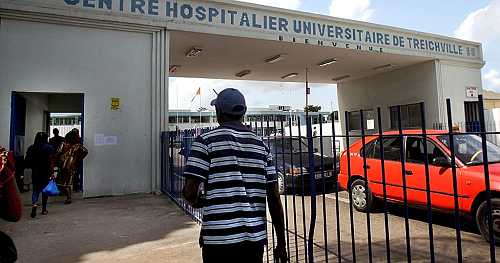 A New Era of Health Cooperation: The US-Ivory Coast Partnership
As we step into a new year, it's heartening to see nations coming together to tackle some of the world's most pressing challenges. In a significant development, the United States and Ivory Coast have signed a major bilateral health agreement worth $487 million. This landmark deal is set to transform the West African nation's healthcare sector over the next five years, with far-reaching implications for its people.
At the heart of this partnership is a shared vision for stronger national ownership of health priorities. The US-Ivory Coast agreement recognizes that countries must take charge of their own health destinies, mobilizing domestic resources while working in tandem with international partners to address critical challenges. This approach not only ensures sustainability but also fosters greater coordination across public health services.
The agreement's focus on disease detection systems and expanded health services is a welcome step towards improving the lives of millions. With an estimated 420,000 people living with HIV/AIDS in Ivory Coast last year alone, this partnership couldn't have come at a more opportune time. The US-Ivory Coast collaboration will not only strengthen care and disease response nationwide but also help combat other major health threats like malaria and tuberculosis.
One of the most significant aspects of this agreement is its emphasis on long-term cooperation. U.S. Ambassador to Ivory Coast Jessica Davis Ba highlighted the importance of sustained investment in health, energy, and infrastructure. This holistic approach acknowledges that progress in one area cannot be achieved without addressing the interconnectedness of these sectors.
Ivory Coast's Minister of Health, Pierre Demba, noted that this agreement marks a shift towards greater national leadership in managing health funding. The state aims to gradually assume responsibility for external funding, allowing foreign support to be better integrated into national priorities. This is a crucial step towards ensuring that aid is not only effective but also sustainable.
The impact of this partnership will be felt far beyond the healthcare sector. By strengthening Ivory Coast's preparedness for epidemics and improving coordination across public health services, this agreement has the potential to drive economic growth and stability in the region. As U.S. Ambassador Davis Ba emphasized, collaboration is central to the shared vision for a brighter future.
In conclusion, the US-Ivory Coast health agreement is a beacon of hope for a world grappling with some of its most pressing challenges. By prioritizing national ownership, long-term cooperation, and holistic investment, this partnership sets a new standard for international collaboration in healthcare. As we look to the future, it's clear that together, nations can achieve far more than they ever could alone.
What does this mean for Ivory Coast?
* A strengthened healthcare system capable of detecting and responding to diseases effectively
* Improved access to health services, particularly for vulnerable populations like those living with HIV/AIDS
* Enhanced preparedness for epidemics, ensuring the country is better equipped to respond to emerging health threats
* Gradual assumption of responsibility for external funding, promoting national ownership and sustainability
What does this mean for the US?
* A strengthened partnership with a key regional player, fostering greater cooperation and investment in healthcare
* An opportunity to leverage its expertise and resources to drive positive change in Ivory Coast's healthcare sector
* A chance to demonstrate its commitment to global health security and sustainable development
As we embark on this new chapter in the US-Ivory Coast partnership, one thing is clear: together, nations can achieve greatness.
Topic Live






