






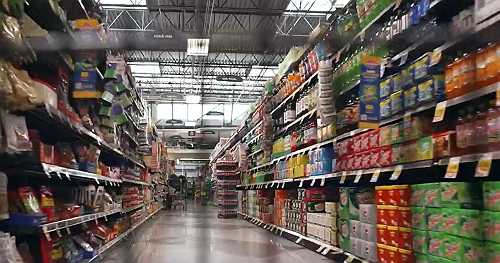
18 states are expected to limit SNAP recipients' ability to use benefits on some junk foods by 2026.
 The Future of Food Assistance: A New Era for SNAP Recipients
As we navigate the complexities of modern society, it's essential to address the pressing issue of food insecurity. For millions of Americans, accessing nutritious food is a daily struggle. However, a significant shift is on the horizon, and it's set to revolutionize the way federal benefits are used to purchase groceries.
In 2026, a groundbreaking change will take effect in 18 states across the country. These states have decided to prohibit individuals receiving Supplemental Nutrition Assistance Program (SNAP) benefits from using them to buy certain junk food items. This bold move aims to promote healthier eating habits and provide recipients with more control over their dietary choices.
The decision to implement this ban is a response to growing concerns about the impact of processed foods on public health. By limiting access to sugary drinks, candy, and other unhealthy snacks, these states hope to encourage SNAP recipients to opt for fresher, more nutritious options. This shift in policy acknowledges that food assistance programs should not only provide sustenance but also support overall well-being.
The implications of this change are far-reaching and multifaceted. For one, it will require SNAP recipients to be more mindful of their purchasing decisions. No longer will they be able to rely on convenience stores or fast-food chains for quick fixes. Instead, they'll need to explore healthier alternatives, such as farmers' markets, community gardens, or even cooking at home.
This new era of food assistance also presents opportunities for innovation and collaboration. Local businesses, non-profits, and government agencies will need to work together to provide resources and support for SNAP recipients. This could include nutrition education programs, cooking classes, or even mobile grocery stores that bring fresh produce directly to underserved communities.
While some may argue that this ban is an overreach of government authority, it's essential to consider the long-term benefits. By promoting healthier eating habits, these states are investing in the well-being of their citizens. This, in turn, can lead to reduced healthcare costs, improved academic performance, and a more productive workforce.
Of course, there will be challenges along the way. Some SNAP recipients may struggle to adapt to new shopping habits or find affordable alternatives. Others might feel stigmatized by the perceived restriction on their purchasing power. However, with careful planning and community engagement, these hurdles can be overcome.
As we move forward into this new era of food assistance, it's crucial to remember that this shift is not about deprivation but empowerment. By giving SNAP recipients more control over their dietary choices, these states are acknowledging the complexity of food insecurity and the need for a more holistic approach.
In conclusion, the ban on junk food purchases using SNAP benefits in 18 states is a significant step towards creating a healthier, more equitable food system. While it may require adjustments from both recipients and providers, its potential rewards are substantial. As we continue to navigate the complexities of modern society, let us remember that even small changes can have a profound impact on our collective well-being.
Topic Live








