







The United Nations is evaluating dire conditions on a first visit to Sudan's el-Fasher since its fall, with concerns over security and instability issues there.
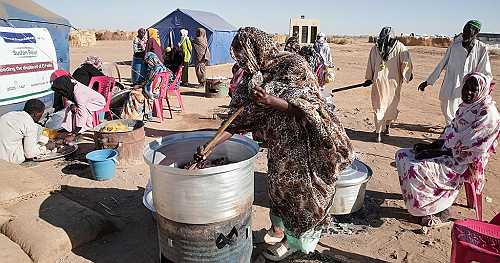 Humanitarian Crisis Unfolds in Sudan's El-Fasher: A Desperate Cry for Help
As we ushered in the new year with hope and optimism, a stark reality check awaited us in the war-torn city of el-Fasher in Sudan. The United Nations' first visit to this beleaguered city since its fall to the Rapid Support Forces (RSF) in October has revealed dire humanitarian conditions that are nothing short of alarming.
The UN's Humanitarian Coordinator for Sudan, Denise Brown, led a mission into the heart of el-Fasher, braving extreme tension and uncertainty. Her words paint a haunting picture: "It was a tense mission, because we're going into what we don't know, into what the UN has been describing as a massive crime scene." The visit came on the heels of the tragic killing of peacekeepers in nearby Kadugli, adding to the sense of unease and foreboding.
But what did the UN team find when they arrived in el-Fasher? The answer is heartbreaking. Despite their best efforts to reach out to civilians, only small numbers were visible during the visit. The UN believes that many others remain detained or injured, desperately in need of urgent medical evacuation. The villages surrounding el-Fasher appear abandoned, a testament to the devastating impact of war on innocent lives.
The city itself is a scene of utter devastation. Civilians are surviving in damaged buildings and makeshift shelters, without access to basic necessities like clean water, toilets, or adequate food. It's a bleak picture that highlights the catastrophic consequences of conflict on human dignity and well-being.
Denise Brown's words are a stark reminder of the humanitarian crisis unfolding before our eyes: "We're going into what we don't know...into what the UN has been describing as a massive crime scene." The use of the term "crime scene" is particularly chilling, implying that war crimes may have been committed in this city. It's a sobering thought that underscores the need for urgent action to protect civilians and hold perpetrators accountable.
As we reflect on the humanitarian crisis in el-Fasher, it's essential to remember that this is not just a Sudanese issue; it's a global concern. The UN's findings serve as a stark reminder of our collective responsibility to act in the face of human suffering. We must come together to provide aid, support, and protection to those affected by conflict.
The situation in el-Fasher is a wake-up call for all of us. It's a reminder that humanitarian crises can unfold anywhere, anytime, and that we must be prepared to respond with compassion, empathy, and urgency. As we move forward into the new year, let us commit to doing better, to being more responsive to human needs, and to working towards a world where conflict is a thing of the past.
The people of el-Fasher are counting on us. They need our help, our support, and our solidarity in this darkest of times. Let us rise to the challenge and make a difference in their lives. The clock is ticking, but it's not too late to act. We can still make a change, one that will bring hope, relief, and peace to those who need it most.
In conclusion, the humanitarian crisis unfolding in el-Fasher is a stark reminder of our shared humanity. It's a call to action, a plea for help, and a testament to the resilience of the human spirit. As we move forward into the new year, let us remember that every life matters, every voice counts, and every act of kindness can make a difference.
Topic Live
![News/Opinion: Morocco welcomes 2026 as AFCON enters the knockout stage in [Football Now] | Africanews.](/social/site/viewheaderimage?folder=profile_image&tstamp=1742703928&filename=4980c282-d590-444f-9332-d45fc845514850.jpg)







