







Trump administration delayed tariffs on furniture and kitchen cabinets by a year.
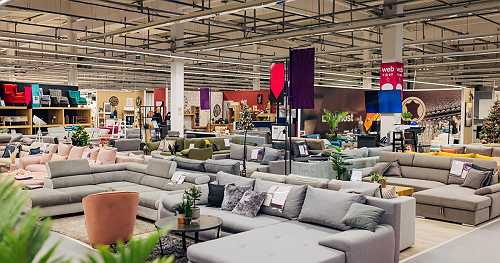 Tariff Delay: A Lifeline for Furniture Manufacturers
As we step into a new year, the world of trade and commerce is abuzz with news of a significant development in the realm of tariffs. The Trump administration has announced a delay in increasing tariff rates on imported upholstered furniture, kitchen cabinets, and vanities by a year. This move is being hailed as a lifeline for furniture manufacturers who have been struggling to stay afloat amidst rising competition from Asia.
The decision to postpone the tariff increase was made after ongoing negotiations with trading partners failed to yield results. The White House cited concerns over trade reciprocity and national security as reasons for the delay. While some may see this as a victory for importers, it's essential to understand the broader implications of this move on the domestic furniture industry.
In 2020, a study by the Federal Reserve Bank of Richmond revealed that North Carolina's furniture industry had lost half its jobs between 1999 and 2009 due to increased competition from Asia. This trend has continued, with many manufacturers struggling to stay competitive in the global market. The Trump administration's initial decision to impose tariffs on imported furniture was aimed at reviving the domestic industry by making imports more expensive.
However, the proposed tariff increase of up to 50% on kitchen cabinets and vanities would have had a devastating impact on consumers. Furniture prices have already been outpacing inflation, with living room, kitchen, and dining room furniture rising 4.6% in November from a year earlier. The additional burden of higher tariffs would have led to increased costs for consumers, potentially stifling economic growth.
The postponement of the tariff increase is being seen as a welcome relief by many in the industry. While it's unclear what the future holds, this delay provides much-needed breathing space for manufacturers to adapt and innovate. It also sends a positive signal that the administration is willing to listen to concerns and adjust its policies accordingly.
In recent months, we've seen a series of tariff rollbacks aimed at addressing affordability concerns and boosting consumer sentiment. The November rollback on tariffs for imported foods such as beef, coffee, and bananas was a significant step in this direction. This latest development suggests that the administration is committed to finding a balance between protecting domestic industries and ensuring that consumers don't bear the brunt of higher costs.
As we move forward into 2026, it's essential to keep a close eye on developments in the trade arena. The impact of tariffs on the economy is complex and multifaceted, affecting not just manufacturers but also consumers and the broader economic landscape. While this delay may provide temporary relief, it's crucial that policymakers continue to engage with stakeholders and adapt their policies to address emerging challenges.
In conclusion, the postponement of tariff increases on imported furniture and kitchen cabinets is a significant development in the world of trade and commerce. While its implications are far-reaching, one thing is clear: this move has the potential to breathe new life into the domestic furniture industry. As we navigate the complexities of global trade, it's essential that policymakers prioritize collaboration, flexibility, and a commitment to finding solutions that benefit all stakeholders.
What does this mean for you?
As a consumer, you may be wondering how this development will affect your wallet. While the delay in tariff increases is welcome news, it's essential to remember that higher tariffs can still have a ripple effect on prices. Furniture manufacturers and retailers must adapt to changing market conditions, and consumers should remain vigilant about price hikes.
For manufacturers, this delay provides an opportunity to innovate and adapt to emerging trends. With the global furniture market projected to reach $700 billion by 2025, there's never been a better time to invest in research and development, explore new markets, or diversify your product lines.
As we look ahead to 2026, one thing is clear: the world of trade and commerce is complex and ever-evolving. By staying informed, adapting to change, and prioritizing collaboration, we can navigate these challenges together and build a brighter future for all stakeholders involved.
Topic Live








