







Gabon's AFCON exit causes political crisis within their country.
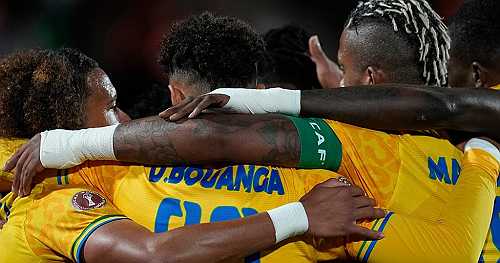 Gabon's AFCON Exit Sparks Political Crisis at Home
As we bid farewell to 2025 and welcome a new year, many African nations are still reeling from the aftermath of the Africa Cup of Nations (AFCON). For Gabon, however, the exit from the tournament has sparked a crisis that goes far beyond the football pitch. In this post, we'll delve into the details of what's happening in Gabon and explore the implications of their AFCON exit.
Gabon's disappointing performance at AFCON was no secret. Despite leading Côte d'Ivoire 2-0 in their final match, they failed to secure a single win throughout the tournament. This lackluster showing has led to widespread criticism, with many calling for accountability within the national team. In response, Gabon's interim minister of sport made a shocking announcement: the team would be suspended, and its captain, Pierre-Emerick Aubameyang, along with player Bruno Ecuélé Manga, had been sacked.
But what does this mean for Gabon's football future? The suspension of the national team is a clear indication that the government is taking responsibility for the team's poor performance. However, it also raises questions about the leadership and decision-making within the sport ministry. Who will be held accountable for the team's failure to deliver on the pitch?
The AFCON exit has also sparked a heated debate about the role of politics in Gabonese football. With the government taking control of the national team, many are worried that this move will stifle creativity and innovation within the sport. Will the suspension of the team lead to a more centralized approach to football management, or will it open up opportunities for fresh talent to emerge?
As we look at the bigger picture, Gabon's AFCON exit serves as a reminder that sports and politics are inextricably linked. The government's decision to take control of the national team is a clear indication that they're willing to intervene in matters that affect the nation's reputation on the international stage.
But what about the fans? How will this development impact their enthusiasm for Gabonese football? For many, the suspension of the national team has been met with disappointment and frustration. Will this lead to a decline in interest in the sport, or will it galvanize support for the team as they look to rebuild and come back stronger?
As we reflect on Gabon's AFCON exit, it's clear that there are no easy answers. The suspension of the national team is a complex issue that requires careful consideration and nuanced discussion. However, one thing is certain: this development has sparked a much-needed conversation about the role of politics in Gabonese football.
As we move forward into 2026, it will be fascinating to see how Gabon's football landscape evolves. Will the suspension of the national team lead to a more centralized approach to management, or will it open up opportunities for fresh talent to emerge? One thing is certain: this story is far from over, and we can't wait to see what the future holds for Gabonese football.
In conclusion, Gabon's AFCON exit has sparked a crisis that goes beyond the football pitch. The suspension of the national team raises important questions about accountability, leadership, and the role of politics in sport. As we look ahead to 2026, it will be fascinating to see how this development impacts the nation's football future.
What do you think? Share your thoughts on Gabon's AFCON exit and its implications for the nation's football future. Let's keep the conversation going!
Topic Live








