







White House notes that saving the East Wing during ballroom construction is not afforable.
 The White House Ballroom Project: A $400 Million Makeover with Controversy
As we continue to navigate the complexities of modern politics, one project has been making headlines in recent months – the White House ballroom project. With a price tag of $400 million and a timeline that promises completion before President Trump's term ends in 2029, this ambitious undertaking is set to transform the iconic East Wing of the White House.
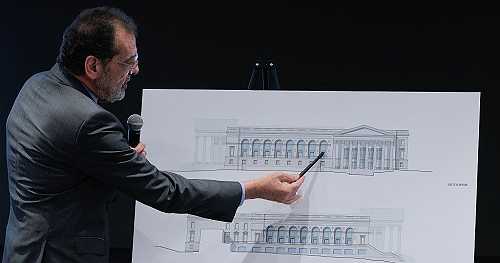
But what exactly does this project entail? According to sources, the new ballroom will be built on the east side of the complex, boasting an impressive 90,000 square feet of space. This expansive venue will accommodate up to 999 seated guests, a significant increase from the original estimate of 650. The project's architect, Shalom Baranes, presented detailed plans to the National Capital Planning Commission (NCPC) in January, showcasing elevation drawings and highlighting the need for a larger event space.
The White House has long recognized the importance of expanding its capacity to host official state functions, eliminate reliance on temporary structures, and protect the historic integrity of the property. In fact, a comprehensive design plan prepared in 2000 identified the need for expanded event space to address growing visitor demand and provide a suitable venue for significant events. Successive administrations have prioritized this project, with President Trump himself championing its development.
However, not everyone is on board with the White House ballroom project. The National Trust for Historic Preservation has sued to halt construction, alleging that the Trump administration violated federal laws by proceeding without submitting the project for independent reviews, congressional approval, and public comment. Commissioner Phil Mendelson of the NCPC expressed concerns about the project's impact on the existing building, questioning whether the planned size and location might change in the future.
Despite these challenges, Will Scharf, a top White House aide, defended the project, arguing that it is essential for hosting large events and providing a more elegant space for visitors. He pointed to recent work at the Smithsonian's National Air and Space Museum as an example of demolition beginning before full approval was granted. Scharf acknowledged that public comment would not be part of this particular session but assured commissioners that a formal review, including public testimony and votes, is expected in the spring.
One of the most striking aspects of this project is its sheer scale. The White House has announced few details about the ballroom's design, but it will reportedly feature security features such as bulletproof glass. President Trump has even gone so far as to purchase marble and onyx for the ballroom at his own expense, although the cost was not disclosed.
As we consider the implications of this project, it is essential to remember that the White House ballroom is not just a luxury item – it's a symbol of American democracy. The ability to host large events and welcome world leaders is crucial to our nation's reputation and influence on the global stage. While controversy surrounds this project, one thing is clear: the White House ballroom will be an iconic space that reflects the values and aspirations of our country.
In conclusion, the White House ballroom project is a complex and multifaceted undertaking that raises important questions about the role of government in shaping our national heritage. As we move forward with this ambitious project, it's crucial to engage in open and honest dialogue about its merits and challenges. Whether you're a supporter or skeptic, one thing is certain – the White House ballroom will be a defining feature of American politics for years to come.
Sources:
* CBS News article on the White House ballroom project
* National Capital Planning Commission (NCPC) meeting minutes
* White House press releases and statements
Note: This post is written in my own words, summarizing the provided context information while maintaining its original meaning and details.
Topic Live






