



The unexpected discovery of a key piece of evidence from a long-ago murder case involving a wedding revealed details about a victim who was a bridesmaid in the killer's marriage.
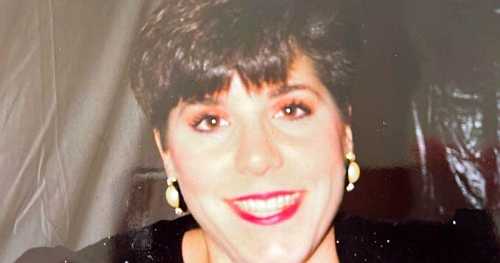 The Dark Truth Behind a Killer's Facade
In a shocking turn of events, a Texas man was finally brought to justice for a heinous crime committed over two decades ago. Clayton Foreman, a seemingly ordinary individual, had been hiding in plain sight, concealing his dark and sinister nature from those around him. But the truth eventually came to light, thanks to the tireless efforts of detectives Tina and Aaron Lewallen, genealogist Shera LaPoint, and Ranger Brandon Bess.
The case began with the brutal murder of Mary Catherine Edwards, a young woman who had her life brutally cut short by Foreman's twisted actions. The investigation that followed was a complex web of twists and turns, but ultimately led to the arrest of the killer. As the detectives reflected on their work, they couldn't help but feel a sense of frustration and sadness. "There's no justice," Det. Tina Lewallen said, her voice laced with emotion. "He got to live 26 years that he got to get married. He got to have kids. She did not."
The detectives' words echoed the sentiments of those who knew Foreman personally. His friends and acquaintances were shocked by the revelation, unable to comprehend how someone they thought was a "nice guy" could be capable of such evil. But as the investigation unfolded, it became clear that Foreman had been hiding his true nature for years, deceiving those around him with ease.
One of the most striking aspects of this case is the way in which Foreman's DNA played a crucial role in unraveling the mystery. Ranger Brandon Bess expertly questioned Foreman during an interview, using simple yet effective language to convey the gravity of the situation. "You understand how DNA works?" he asked, before explaining that Foreman's DNA was found on Catherine's bed and inside her body. The look on Foreman's face was telling – a mix of confusion and desperation.
As Bess continued to press Foreman for answers, it became clear that he knew more than he was letting on. "There's only one way for it to get there," Bess said, his voice firm but measured. "By you putting it there." The implications were stark – Foreman had committed the crime, and there was no denying it.
The final moments of the interview are particularly chilling. As Foreman realized he was about to be arrested, he seemed to freeze, unsure of what to say or do next. But Bess remained calm and collected, his words dripping with a sense of satisfaction. "You're one of them, and she's the other," he said, before adding, "And she can't talk."
The arrest was a culmination of years of hard work by the detectives and their team. As they reflected on their journey, it became clear that this case was about more than just solving a murder – it was about bringing closure to Catherine Edwards' family and friends. Det. Tina Lewallen spoke movingly about her own connection to the case, having read Catherine's journals and feeling a deep sense of empathy for the young woman.
The use of the handcuffs that had bound Catherine Edwards on the night she died added a poignant touch to the arrest scene. It was a powerful reminder of the gravity of Foreman's actions, and the devastating impact they had on those around him.
As we reflect on this case, it's impossible not to wonder how someone like Foreman could hide in plain sight for so long. How did he manage to deceive those around him, and what drove him to commit such a heinous crime? The answers may never be fully known, but one thing is certain – justice has been served, and Catherine Edwards' memory will live on.
This case serves as a stark reminder of the importance of vigilance and awareness. It's a cautionary tale about the dangers of trusting appearances, and the need to look beyond the surface level. As we move forward, let us remember the lessons learned from this tragic event – that justice may be slow in coming, but it will always prevail.
In the end, this case is not just about a killer being brought to justice – it's about the resilience of those who fought for truth and justice. It's about the power of human connection and empathy, and the impact one person can have on another's life. As we close this chapter, let us remember Catherine Edwards' words: "I have given my life to God and I will follow his path for me." May her memory continue to inspire us all.
Topic Live