




Niger Conflicts with Mali over Truckers Refusing to Deliver Fuel.
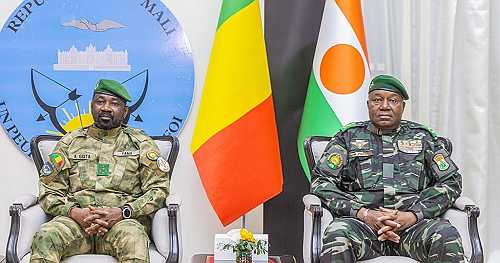 "Fueling Tensions: Niger's Bold Move to Revive Fuel Supplies to Mali"
In a move that has sent shockwaves across the Sahel region, Niger has taken a decisive step in addressing the crippling fuel shortage plaguing its neighbor, Mali. The West African nation has revoked the licenses of over thirty transport operators and truck drivers who refused to deliver fuel to Mali, sparking a heated debate about regional cooperation and security.
The crisis began last October when militants from the Group to Support Islam and Muslims (JNIM), an Al-Qaeda affiliate, cut off fuel supplies to several towns in Mali. The shortage had severe consequences for the country's economy and daily life, with many residents forced to rely on expensive and unreliable alternative sources of energy. In response, Niger's military-backed government has taken a firm stance, emphasizing the importance of regional solidarity and cooperation.
The decision to revoke licenses was made after months of negotiations between Niger and Mali failed to yield results. The two countries, along with Burkina Faso, have formed an alliance aimed at countering the growing threat of jihadist attacks in the region. However, the fuel shortage has exposed deep-seated issues within this partnership, highlighting the need for more effective coordination and communication.
The move by Niger's authorities has been met with a mix of reactions from various stakeholders. Some have hailed it as a bold step towards addressing the crisis, while others have criticized the government for taking an overly authoritarian approach. The decision to revoke licenses has also raised questions about the rights of transport operators and truck drivers, who claim they were simply exercising their freedom to choose where they operate.
As tensions continue to simmer in the region, one thing is clear: Niger's bold move has set a precedent for regional cooperation and security. By taking a firm stance on fuel supplies, the country has demonstrated its commitment to addressing the root causes of the crisis rather than just treating its symptoms. The decision also underscores the importance of effective communication and coordination between governments in the face of shared challenges.
The Sahel region is no stranger to conflict and instability, but this latest development serves as a stark reminder that regional cooperation is essential for building resilience against external threats. As Niger's authorities continue to navigate the complexities of fuel supplies and regional politics, one thing is certain: the fate of Mali and its people hangs in the balance.
In the coming weeks and months, it will be crucial to monitor developments on the ground and assess the impact of Niger's decision. Will this bold move spark a new era of cooperation between regional governments, or will it exacerbate existing tensions? Only time will tell, but one thing is clear: the people of Mali deserve better than to live in fear of fuel shortages and jihadist attacks.
As we continue to follow this story, one thing remains certain – the Sahel region's future hangs precariously in the balance. Will Niger's bold move be a turning point for regional cooperation, or will it further entrench existing divisions? The world watches with bated breath as the people of Mali and their neighbors navigate this complex web of politics, security, and survival.
Topic Live