


Justice Served, But Questions Remain in Casey Goodson Jr. Case
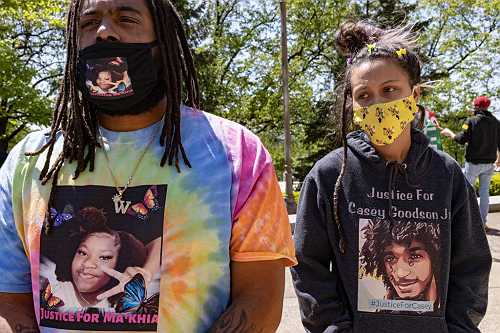 A verdict has been delivered in the high-profile case of Casey Goodson Jr., a 23-year-old Black man who was fatally shot by a white police officer in Columbus, Ohio, two years ago. The jury found Jason Meade guilty of reckless homicide, but failed to reach a consensus on the more serious charge of murder.
A Tragic Encounter
On December 4, 2020, Casey Goodson Jr. was bringing sandwiches to his grandmother's house when he was confronted by Officer Jason Meade. According to eyewitnesses, Goodson was unarmed and had his hands up in a non-threatening manner. Despite this, Meade shot Goodson five times in the back and once in the side, killing him instantly.
A Questionable Account
Meade claimed that he saw Goodson holding a gun and turning towards him as they passed each other in their vehicles. However, no one else witnessed this alleged threat, and no cameras recorded the shooting. Prosecutors argued that the evidence suggests the gun was not in Goodson's hands, but rather in a flimsy holder under his belt.
A Pattern of Behavior
This is not the first time Meade has been accused of using excessive force against a Black person. In fact, he has been tried twice for murder in connection with Goodson's death, with both trials ending in mistrials. This raises questions about whether Meade was motivated by racial bias or a desire to cover up his own actions.
A Verdict, But No Closure
While the guilty verdict on reckless homicide is a step towards justice for Goodson's family, it does not bring closure to the community. The fact that Meade was acquitted of murder for the second time in two years raises concerns about the fairness and effectiveness of the justice system.
The Casey Goodson Jr. case is a stark reminder of the ongoing struggle for racial justice and accountability in law enforcement. As we reflect on this verdict, we must also acknowledge the many questions that remain unanswered. What drove Meade to use deadly force against an unarmed man? How can we ensure that such tragedies do not happen again in the future?