




Gerrymandering Ruling Sparks Redistricting Frenzy Across the US
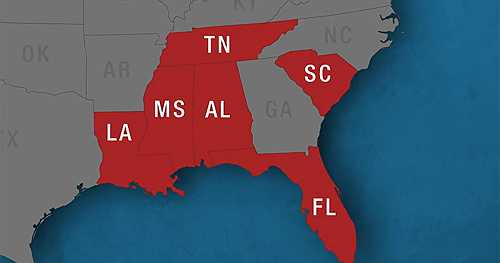 A landmark Supreme Court decision has sent shockwaves through the nation, as states scramble to redraw voting districts in response to a ruling that effectively greenlights partisan gerrymandering. The move is being hailed by some as a major victory for democracy, while others warn of its potential to further polarize an already divided country.
A Legacy of Civil Rights
In 1965, President Lyndon B. Johnson signed the Voting Rights Act, a monumental piece of legislation that aimed to break down barriers facing Black voters and ensure equal access to the ballot box. The law was a crucial step towards realizing the promise of democracy for all Americans, and its impact is still felt today.
A New Era of Gerrymandering
Last month, the Supreme Court issued a ruling that effectively permits states to draw voting districts along partisan lines. The decision has sparked a mad dash among state lawmakers to re-draw district maps in their respective jurisdictions. While some see this as an opportunity for greater representation and accountability, others fear it will only serve to entrench existing power structures.
The Impact on Democracy
As states rush to redraw their voting districts, concerns are being raised about the potential impact on democracy. Critics argue that partisan gerrymandering can lead to a lack of representation for marginalized communities and exacerbate existing social and economic inequalities. Others warn that it could further erode trust in institutions and contribute to the growing polarization of American politics.
A New Era of Redistricting
The Supreme Court's ruling has opened up a new era of redistricting, with states scrambling to adapt to the changing landscape. While some are embracing the opportunity to redraw their district maps, others are expressing concerns about the potential consequences for democracy and representation.
As the nation navigates this new era of gerrymandering, it is essential that we remain vigilant and committed to upholding the principles of democracy. By engaging in open and inclusive discussions about redistricting, we can work towards creating a more representative and equitable electoral system for all Americans.