




Sudan's Energy Crisis Deepens Amid Ongoing Conflict
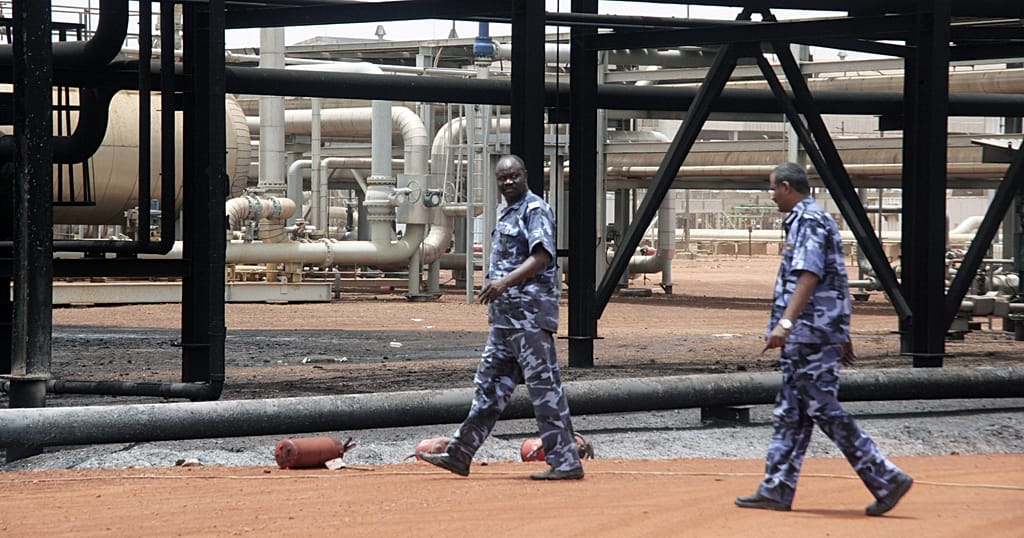 As the conflict in Sudan rages on, a devastating energy crisis is unfolding, threatening to cripple the country's economy and leave its people struggling to access essential services. With oil production and refining capacity collapsing, Sudan is facing an unprecedented shortage of fuel, forcing it to rely heavily on imported supplies that are increasingly expensive and scarce.
Oil Production Halted Amid Escalating Violence
The conflict has forced the shutdown of major oil fields and refineries, leaving production severely disrupted. The Heglig oil field, Sudan's largest, was completely halted in December, with all staff evacuated amid escalating violence. Attacks have also damaged pipelines, refineries, and storage facilities, including oil depots in Port Sudan, further undermining the country's ability to process and distribute fuel.
Refining Capacity Collapses, Leaving Country Struggling
Sudan's largest refinery near the capital, Khartoum, once supplied most of the country's diesel, gasoline, and liquefied petroleum gas needs. However, it remains completely shut, forcing the country to rely heavily on imported fuel. Industry experts warn that the lack of refining capacity and continued attacks on infrastructure are creating a severe shortage of fuel, leaving ordinary Sudanese struggling to access essential energy products.
Economic Consequences of the Crisis
According to Sudan's finance ministry, oil revenues have fallen by more than fifty percent compared to pre-conflict levels. This has deprived the government of crucial income, exacerbating the country's economic woes. Industry experts warn that the crisis underscores how prolonged fighting is not only destroying lives and livelihoods but also threatening the stability of Sudan's most vital industries.
The energy crisis in Sudan is a stark reminder of the devastating consequences of conflict on a nation's economy and people. As the situation continues to deteriorate, it is essential for all parties involved to work towards a peaceful resolution that prioritizes the needs of the Sudanese people. Only then can the country begin to rebuild and recover from this crisis.
Topic Live