


The Mamdani Legacy: A Story of Migration, Resilience, and Community-Building
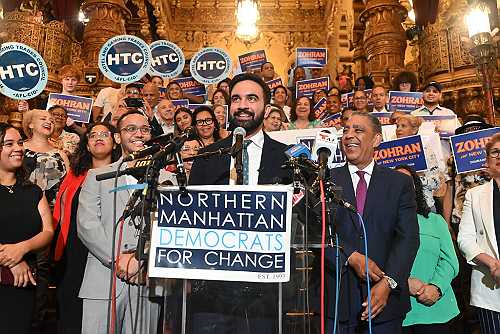 In a city where diversity is celebrated, one name stands out - Zohran Mamdani. The Democratic candidate for mayor of New York City has been making waves with his progressive platform and legislative record, but what's behind the Mamdani surname? It's a story that spans centuries and continents, one of migration, resilience, and community-building.
A Name That Tells a Story
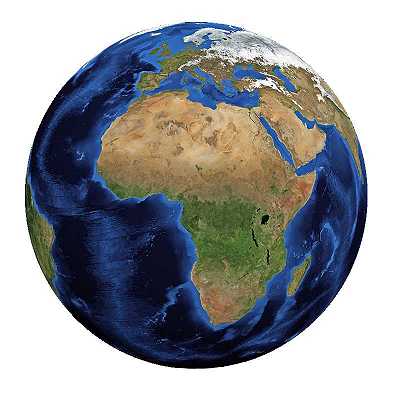
Zohran Mamdani takes his name from his father, Mahmood Mamdani, a prominent academic who was raised in Uganda. The Mamdani surname is a testament to the rich cultural tapestry that has been woven into the fabric of New York City's diverse communities. It's a story that begins with the Khoja community, a group of Indian Muslims who migrated to East Africa centuries ago.
The Khoja History
Iqbal Akhtar, a scholar who has studied the history of the Khoja community, notes that the Mamdani surname is just one thread in the intricate tapestry of Khoja culture. The community's history is marked by migration, resilience, and community-building, as they adapted to new environments and built new lives. From their origins in East Africa to their current presence in cities like New York, the Khojas have left an indelible mark on the world.
A Legacy of Community-Building
The Mamdani surname is not just a name - it's a symbol of the community-building that has defined the Khoja experience. From their early days in East Africa to their current presence in cities like New York, the Khojas have always been driven by a desire to build and create new communities. This legacy is one that Zohran Mamdani proudly carries forward, as he works to build a more just and equitable society for all.
The story of the Mamdani surname is one of migration, resilience, and community-building - a testament to the power of human spirit and determination. As Zohran Mamdani runs for mayor of New York City, he carries forward this legacy, working to build a brighter future for all. It's a story that reminds us that even in the most diverse and complex cities, there is always room for growth, adaptation, and community-building.