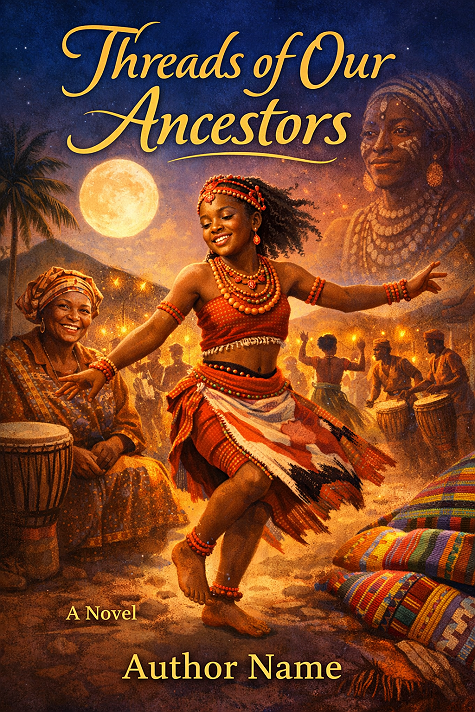




📖 Title: Threads of Our Ancestors
In the quiet village of Umudara, where the red earth met the whispering palms, culture lived in every corner. It was in the songs the women sang at dawn, in the patterns woven into fabrics, and in the stories told beneath the moonlight.
Amara, a sixteen-year-old girl, often felt caught between two worlds. At school in the city, her classmates spoke about trends, social media, and foreign music. But at home, her grandmother, Mama Nkem, spoke of ancestors, traditions, and the importance of remembering where one comes from.
“Culture is not old-fashioned,” Mama Nkem would say, her voice gentle but firm. “It is your identity.”
Amara didn’t always understand. Why did she have to learn traditional dances when she preferred modern ones? Why did language matter so much when everyone spoke English?
One evening, during the New Yam Festival preparations, Mama Nkem called her.
“Come, my child. Today, you will learn something important.”
Reluctantly, Amara followed her to the village square. Drums echoed through the air, deep and powerful, like a heartbeat. Women wore colorful wrappers, men adorned in traditional attire, and children ran about laughing.
“You will dance tonight,” Mama Nkem said.
“I don’t know how,” Amara protested.
“You will learn.”
At first, Amara felt awkward. Her steps were unsure, her movements stiff. But as the rhythm of the drums grew louder, something changed. The beat seemed to guide her feet. The cheers of the crowd lifted her spirit. Slowly, she began to move—not just with her body, but with her heart.
For the first time, she felt connected. Not just to the music, but to the people, to the land, and to something deeper—her roots.
Later that night, sitting beside her grandmother, Amara smiled.
“I understand now,” she said softly.
Mama Nkem nodded. “Culture is a bridge, my child. It connects the past to the present—and leads you into the future.”
From that day on, Amara embraced both worlds. She learned to balance modern life with tradition. She spoke her language with pride, wore her culture like a crown, and shared its beauty with others.
Because she finally knew—without culture, a person is like a tree without roots.
In the quiet village of Umudara, where the red earth met the whispering palms, culture lived in every corner. It was in the songs the women sang at dawn, in the patterns woven into fabrics, and in the stories told beneath the moonlight.
Amara, a sixteen-year-old girl, often felt caught between two worlds. At school in the city, her classmates spoke about trends, social media, and foreign music. But at home, her grandmother, Mama Nkem, spoke of ancestors, traditions, and the importance of remembering where one comes from.
“Culture is not old-fashioned,” Mama Nkem would say, her voice gentle but firm. “It is your identity.”
Amara didn’t always understand. Why did she have to learn traditional dances when she preferred modern ones? Why did language matter so much when everyone spoke English?
One evening, during the New Yam Festival preparations, Mama Nkem called her.
“Come, my child. Today, you will learn something important.”
Reluctantly, Amara followed her to the village square. Drums echoed through the air, deep and powerful, like a heartbeat. Women wore colorful wrappers, men adorned in traditional attire, and children ran about laughing.
“You will dance tonight,” Mama Nkem said.
“I don’t know how,” Amara protested.
“You will learn.”
At first, Amara felt awkward. Her steps were unsure, her movements stiff. But as the rhythm of the drums grew louder, something changed. The beat seemed to guide her feet. The cheers of the crowd lifted her spirit. Slowly, she began to move—not just with her body, but with her heart.
For the first time, she felt connected. Not just to the music, but to the people, to the land, and to something deeper—her roots.
Later that night, sitting beside her grandmother, Amara smiled.
“I understand now,” she said softly.
Mama Nkem nodded. “Culture is a bridge, my child. It connects the past to the present—and leads you into the future.”
From that day on, Amara embraced both worlds. She learned to balance modern life with tradition. She spoke her language with pride, wore her culture like a crown, and shared its beauty with others.
Because she finally knew—without culture, a person is like a tree without roots.