







The U.S. seeks to tap Venezuela's vast oil reserves as a result of military strikes.
 The Hidden Treasure of Venezuela's Oil Reserves
Imagine a country with an estimated 303 billion barrels of oil reserves, roughly 17% of the world's total supply. Sounds like a dream come true for any nation, right? Welcome to Venezuela, a land rich in crude oil, but plagued by years of mismanagement and corruption.
The recent military strikes on Venezuela have brought international attention to the country's vast oil reserves, which are considered among the largest in the world. But what does this mean for the global economy, and how can we tap into this hidden treasure? Let's dive deeper into the story behind Venezuela's oil industry.
A Brief History of Oil Production
Venezuela was once a major player in the global oil market, producing over 3 million barrels per day in the early 2000s. However, due to declining investment and U.S. sanctions, production has plummeted to just 1 million barrels per day. This is a mere fraction of what other leading oil-producing nations like the United States (13.5 billion barrels per day), Saudi Arabia (10-12 million barrels per day), and Russia (9.4 million barrels per day) produce.
The Orinoco Belt: A Treasure Trove
Most of Venezuela's untapped oil is located in the Orinoco Belt, a massive 21,000-square-mile area stretching across the country's northeastern region. This region holds an estimated 303 billion barrels of proven reserves, making it one of the largest oil deposits in the world.
The Challenge Ahead
Rebuilding Venezuela's oil infrastructure will require significant investment – over $100 billion, to be exact. According to Francisco J. Monaldi, director of the Latin America energy program at Rice University, it could take at least a decade to lift production to 4 million barrels per day, which is well above historical levels.
The Role of American Oil Companies
Only one U.S. oil company operates in Venezuela today: Houston-based Chevron, which accounts for 25% of Venezuelan oil production. Other major Western players like Exxon Mobil and ConocoPhillips withdrew from the country after former President Hugo Chavez nationalized private foreign oil interests starting in 2006.
U.S. Sanctions: A Major Obstacle
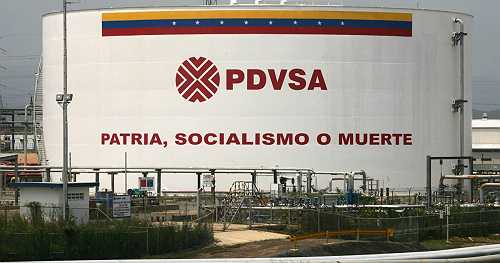
Since 2005, successive U.S. presidents have imposed a range of sanctions on Venezuela's oil sector for alleged human rights abuses, drug trafficking, and terrorism. Under former President Joe Biden, the U.S. froze assets of Venezuela's state-owned oil company, Petróleos de Venezuela (PDVSA), and barred Americans from doing business with it.
The Future of Venezuela's Oil Industry
As the world watches the developments in Venezuela, one thing is clear: tapping into this vast oil reserve will require a delicate balance between international cooperation, investment, and diplomacy. The U.S. strike on Venezuela has brought attention to the country's oil industry, but it remains to be seen how this will play out in the long run.
In conclusion, Venezuela's oil reserves are a treasure trove waiting to be tapped. However, the journey ahead will be challenging, requiring significant investment and cooperation from international players. As we watch this story unfold, one thing is certain: the future of energy production hangs in the balance, and the world is watching with bated breath.
What's Next?
As the situation in Venezuela continues to evolve, it's essential for nations and companies to work together to unlock the potential of these vast oil reserves. With the right investment and cooperation, Venezuela could become a major player in the global energy market once again. The question is: will we seize this opportunity, or let it slip through our fingers?
Stay tuned for further updates on this developing story, and join the conversation by sharing your thoughts on social media using #VenezuelaOilReserves.
Topic Live






