




FAA faces critical shortage of air traffic controllers. Here's a look into methods to retain and train them
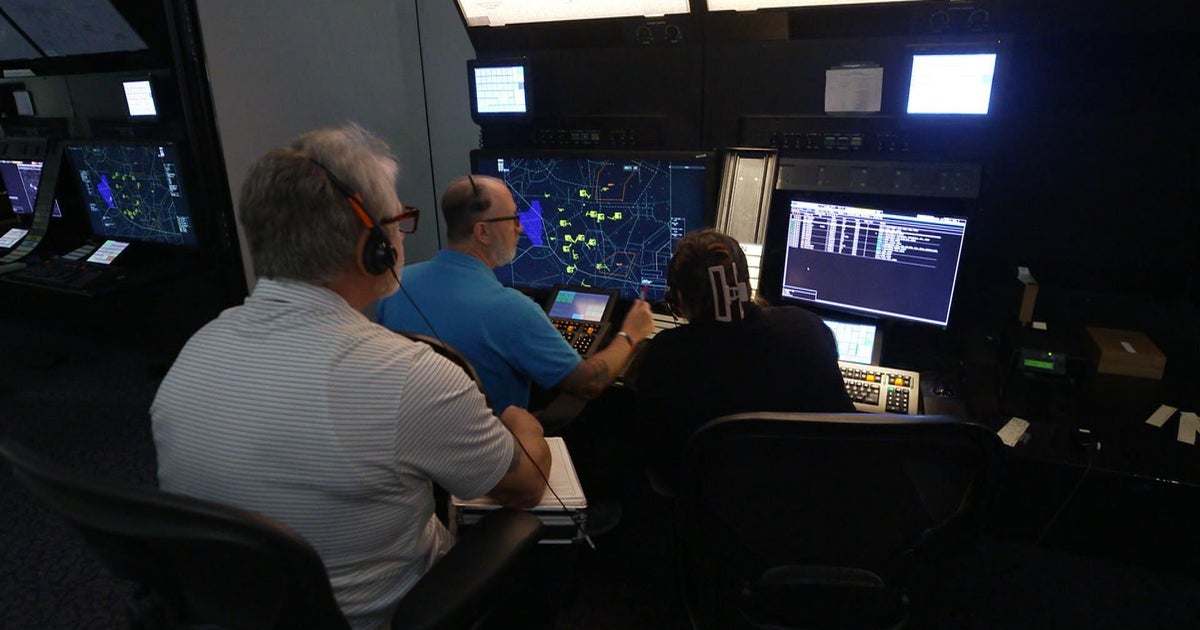 FAA Faces a Critical Shortage of Air Traffic Controllers: Strategies for Retention and Training
The Federal Aviation Administration (FAA) is grappling with a critical shortage of about 3,000 air traffic controllers, with approximately 35% of trainees failing to complete the agency's three-month training program. This issue underscores the FAA's commitment to aviation safety but also highlights the need for effective strategies to retain and train these essential professionals.
Introduction
The FAA has long been dedicated to ensuring flight safety and efficiency, relying on air traffic controllers (ATCs) to monitor aircraft, maintain visibility, and manage schedules while preventing accidents. With millions of annual trips disrupted due to these crucial roles, maintaining the highest standards of aviation safety is paramount. The dearth of ATCs is a significant challenge, as many trainees are unable to complete their training in time for certification.
Strategies for Retaining Air Traffic Controllers
1. Incentivizing Excellence: Recognizing ATC trainees who perform exceptionally well during training, even if they don't complete all assignments, can motivate them to improve skills and exceed expectations.
2. Career Opportunities: Offering competitive salaries, career development opportunities, and potential promotions as trainees progress through their training can attract those struggling with retention.
3. Partnerships and Collaborations:
- Industry Partnerships: Airlines are willing to pay for additional certifications or support if ATCs hire them.
- Government Partnerships: Governments may offer financial incentives or resources to enhance the quality of training programs.
- Academic Collaboration: Universities can contribute knowledge and resources to strengthen the training process.
4. Cost Reductions: Efforts to reduce the FAA's operational costs, such as outsourcing training programs, partnering with private tutors, or offering free resources to low-income trainees, can maintain high standards of safety while reducing financial burden.
5. Flexible Training Programs: Providing a more flexible schedule, including online learning modules and extended completion times, can accommodate various skill levels or backgrounds.
6. Global Experiences: Involving local communities may increase the number of ATCs trained, particularly in underserved areas.
Looking Ahead
- Expanded Roles Beyond Air Traffic Control: The FAA could expand its mission into sectors like emergency response or disaster management to enhance aviation safety.
- Funding and Transparency: Increasing funding for aviation research and better reporting mechanisms can build trust with stakeholders and ensure accountability.
In summary, the FAA's struggle with ATC shortages is a multifaceted challenge requiring a comprehensive approach. By addressing retention through incentives, cost-saving measures, partnerships, flexible programs, and global inclusion, and leveraging broader roles in aviation safety, the FAA can maintain its commitment to ensuring safe and efficient flights for millions of passengers.
------
Topic Live