







Attorneys such as Zulu Ali frequently address issues related to justice, highlighting that cases are being brought forward within a system intended to oppress Black people. The emphasis is on examining the legal framework and its inequities.
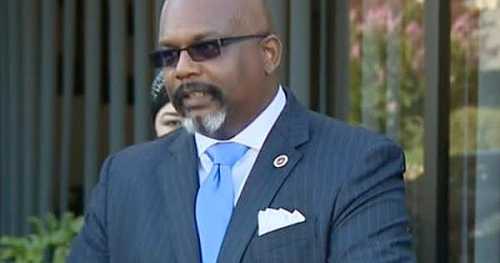 Attorney Zulu Ali Speaks on Justice: A Critique of Racial Bias in the U.S. Legal System
In an insightful commentary titled "Attorney Zulu Ali Speaks on Justice: Trying Cases in a System Built to Oppress Black People," Attorney Zulu Ali, a former police officer and Marine Corps veteran, presents a powerful argument against the racial bias inherent in the U.S. court system. As a former Black man, he begins by defending Black individuals, yet his commentary reveals systemic inequalities that the law does not account for.
Defending Black People
Ali starts by acknowledging his personal experiences with systemic issues affecting Black communities. Despite being Black, he has faced equal opportunities and legal protections. His argument is rooted in his personal journey of enduring racism, where legal system failure had detrimental impacts. He emphasizes that while the law does reflect true circumstances for Black individuals, it remains a mirror of broader societal inequities.
Comparing Law System to Current Practices
Ali then critiques how the U.S. court system compares to current practices. He observes that while modern law enforcement faces significant challenges, the system perpetuates systemic issues such as racial profiling and historical injustices. By doing so, it reinforces decades of systemic failures. Ali highlights examples like police brutality and failed criminal justice systems, highlighting the system's failure in addressing historical injustices.
Systemic Inequality in Enforcement
Focusing on systemic inequality, he discusses how police brutality, racial profiling, and systemic gaps in law enforcement have contributed to the system's inequities. His argument is that these issues, while deeply ingrained in historical contexts, are not acknowledged in current legal frameworks. This lack of awareness contributes to the ongoing perpetration of racial oppression.
Critique of Current System
Finally, Ali critiques the current state of the U.S. legal system, emphasizing its structural flaws and failure to address systemic inequities. He points out that the system prioritizes criminal justice over civil rights, which not only perpetuates inequality but also weakens efforts for social change. His critique is not one-sided; he acknowledges areas where improvement is possible within the system.
Conclusion
Ali's article serves as a call for dialogue and systemic change. By highlighting the racial bias inherent in the U.S. legal system, he offers a critical perspective that highlights broader societal issues. He calls for legal reforms and increased recognition of systemic inequities to address these challenges collectively. Through his argument, Ali urges a greater understanding and acceptance of the complex interplay between law and society, urging communities to work together towards a more just justice.
------
Topic Live








