



Venezuela's military strikes continue a long history of influence in Latin America through their actions against U.S. forces.
 The Shadow of Intervention: Unpacking the Complex History of US Military Involvement in Latin America
As we navigate the complexities of global politics, it's essential to understand the intricate web of relationships between nations. The recent news of a large-scale strike by US military forces in Venezuela has sparked a renewed interest in the history of US interventions in Latin America. This region, rich in natural resources and strategic location, has been a focal point for US interests for decades.
The current situation in Venezuela is merely the latest chapter in a long and complex narrative that spans over seven decades. To grasp the full scope of this story, we must delve into the past and examine the key events that have shaped the relationship between the US and Latin America.
One of the earliest and most significant interventions was the 1954 coup in Guatemala. Colonel Jacobo Arbenz Guzman, then-president of Guatemala, implemented a land reform program that threatened the interests of the powerful United Fruit Corporation (later Chiquita Brands). The US government, fearing the spread of communism, trained and financed mercenaries to overthrow Arbenz's government. This covert operation marked the beginning of a long history of US military interventions in Latin America.
Fast-forward to 1961, when the CIA-trained Cuban exiles launched the Bay of Pigs invasion to liberate Cuba from Fidel Castro's communist government. Although the plan was botched, it highlighted the US's willingness to use military force to achieve its objectives in the region.
In 1983, the US intervened in Grenada, a small island nation in the Caribbean. Prime Minister Maurice Bishop was assassinated by a far-left junta, and Cubans were expanding the airport to accommodate military aircraft. The US government, citing the need to protect American citizens, launched Operation "Urgent Fury." This intervention, widely criticized by the international community, resulted in over 100 deaths.
The 1989 invasion of Panama marked another significant turning point in US-Latin American relations. Former Panamanian dictator Manuel Noriega, who had risen to power with CIA backing, fell out of favor with Washington in the late 1980s. The US government, led by President George H.W. Bush, launched Operation Just Cause, which toppled Noriega's government and left hundreds dead.
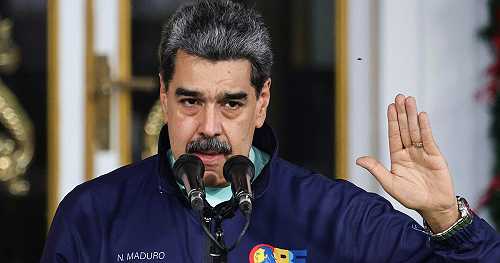
The recent capture of Venezuelan President Nicolas Maduro and his wife by US military forces is a stark reminder of this complex history. Maduro's fall comes 35 years after the US arrested Panama's Noriega, highlighting the cyclical nature of these interventions.
As we reflect on this history, it's essential to acknowledge the human cost of these interventions. The lives lost, the families torn apart, and the communities displaced are a testament to the devastating consequences of military action. It's also crucial to recognize the role of US interests in driving these interventions, often under the guise of protecting American citizens or fighting communism.
In conclusion, the recent news from Venezuela is merely the latest chapter in a long and complex narrative that spans over seven decades. To truly understand this story, we must delve into the past and examine the key events that have shaped the relationship between the US and Latin America. By doing so, we can gain a deeper appreciation for the intricate web of relationships between nations and the human cost of military intervention.
As we move forward in this complex landscape, it's essential to engage in nuanced discussions about the role of the US in global politics. We must acknowledge the historical context that has led to these interventions and work towards building more equitable relationships between nations. By doing so, we can create a more just and peaceful world for all.
Sources:
* CBS News
* Agence France-Presse
Image Credits:
* Mondadori Portfolio/Mondadori via Getty Images (Guatemala)
* Bettmann/Getty Images (Grenada)
* Handout/Reuters (Manuel Noriega)
Topic Live