




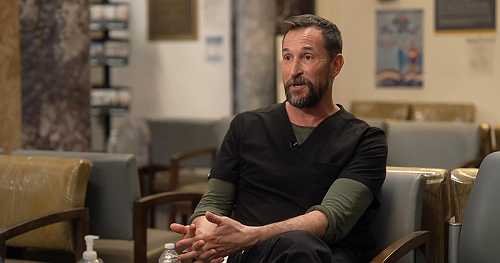
Expanded interview with Noah Wyle.
 The Fragility of the Medical System: A Conversation with Noah Wyle
As we navigate the complexities of modern healthcare, it's essential to acknowledge the vulnerabilities that exist within our medical system. In a recent extended interview with CBS News chief medical correspondent Dr. Jon LaPook, actor Noah Wyle shed light on this critical issue through his new HBO Max series, "The Pitt." Wyle's portrayal of Dr. Michael "Robby" Robinavitch serves as a thought-provoking commentary on the fragility of our healthcare infrastructure.
Wyle's character, Dr. Robinavitch, is a complex and multifaceted individual who embodies both the strengths and weaknesses of our medical system. As an accomplished doctor, he is driven by a passion for healing and a commitment to his patients. However, as the series unfolds, it becomes clear that even the most skilled professionals can be worn down by the demands of their work. The pressures of modern medicine, combined with the emotional toll of dealing with life-or-death situations, take a profound toll on Dr. Robinavitch's mental and physical health.
Through Wyle's performance, we are reminded that our medical system is not immune to the challenges faced by its practitioners. Burnout, compassion fatigue, and the stigma surrounding mental health issues all contribute to the fragility of our healthcare infrastructure. As Wyle notes in his conversation with Dr. LaPook, "The Pitt" aims to humanize the medical profession, highlighting the personal costs that doctors and nurses pay for their dedication to patient care.
One of the most striking aspects of Wyle's portrayal is its nuanced exploration of the doctor-patient relationship. In an era where healthcare is increasingly commodified, it's easy to forget that medicine is a deeply personal and emotional endeavor. Dr. Robinavitch's struggles with his own mortality serve as a poignant reminder that even the most skilled professionals are not immune to the fragility of human existence.
Wyle's conversation with Dr. LaPook also touches on the importance of empathy in healthcare. As he notes, "The Pitt" seeks to create a sense of connection between patients and their caregivers, acknowledging that healing is as much about emotional support as it is about medical treatment. This emphasis on empathy is particularly timely, given the growing recognition of the role that social determinants play in shaping health outcomes.
As we reflect on Wyle's performance and the themes explored in "The Pitt," it's clear that our medical system is in need of reform. By acknowledging the fragility of our healthcare infrastructure and the personal costs of working within it, we can begin to build a more compassionate and sustainable system. As Wyle so eloquently puts it, "We need to start talking about the human side of medicine, not just the technical side."
In conclusion, Noah Wyle's extended interview with CBS News offers a powerful commentary on the fragility of our medical system. Through his portrayal of Dr. Michael "Robby" Robinavitch in "The Pitt," we are reminded that even the most skilled professionals are not immune to the challenges faced by modern medicine. By acknowledging these vulnerabilities and prioritizing empathy and compassion, we can work towards creating a more sustainable and human-centered healthcare system.
As we continue to navigate the complexities of our medical system, it's essential to remember that healing is as much about emotional support as it is about medical treatment. By prioritizing empathy and compassion, we can build a healthcare infrastructure that truly serves the needs of both patients and practitioners alike.
Topic Live