


The president's optionality always gives them the ability to stay or leave, enabling them to navigate foreign affairs like Venezuela.
 The Unfolding Drama in Venezuela: What's Next for the US and Maduro?
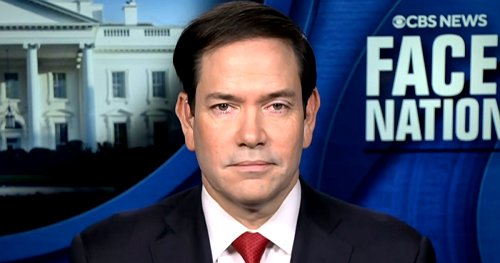
As the world watches with bated breath, the situation in Venezuela continues to unfold. The recent airstrikes and capture of President Nicolás Maduro by the US have left many wondering what comes next. In a recent interview on "Face the Nation," Secretary of State Marco Rubio shed some light on the US's intentions, leaving us with more questions than answers.
According to Rubio, President Trump always retains the optionality to act against imminent and urgent threats against the country. This statement has sparked debate about whether the US plans to occupy Venezuela or not. When asked to clarify, Rubio emphasized that the president has the ability and right under the Constitution of the United States to take action against threats.
The situation is complex, to say the least. Maduro arrived at a detention center in New York City on Saturday night, facing federal charges related to drug trafficking and working with gangs designated as terrorist organizations. He denies these allegations, but the US has made it clear that they will not tolerate such behavior.
In a surprising move, President Trump stated that the US would "run" Venezuela on a temporary basis during the transition. This sparked questions about what comes next for the country. Rubio expanded on this statement, saying that Trump does not feel like he is going to publicly rule out options available for the United States, even though that's not what we're seeing right now.
So, what does this mean for Venezuela and its people? The US has made it clear that they will not tolerate Maduro's behavior, but the question remains: what comes next? Will the US occupy Venezuela, or will there be a transition of power? Only time will tell.
One thing is certain, however. The situation in Venezuela is a stark reminder of the importance of leadership and accountability. Maduro's actions have led to widespread suffering and instability in the country, and it's clear that something needs to change.
As we watch this drama unfold, it's essential to remember that the US has a responsibility to protect its interests and those of its allies. But it's also crucial to consider the human cost of such actions. The people of Venezuela deserve better than to be caught in the crossfire of international politics.
In the coming days and weeks, we can expect more developments in this situation. Will the US occupy Venezuela, or will there be a peaceful transition of power? Only time will tell. One thing is certain, however: the world is watching, and the stakes are high.
As we navigate this complex and ever-changing landscape, it's essential to stay informed and engaged. The situation in Venezuela serves as a reminder that leadership matters, and accountability is crucial. We must continue to hold our leaders accountable for their actions and demand better from them.
In conclusion, the unfolding drama in Venezuela is a stark reminder of the importance of leadership and accountability. As we watch this situation unfold, let's remember the human cost of such actions and demand better from our leaders. The world is watching, and it's up to us to stay informed and engaged.
What do you think? Share your thoughts on what comes next for Venezuela and its people in the comments below!
---
This article was written by [Your Name], a contributing blogger at [Your Blog]. If you enjoyed this post, be sure to subscribe to our newsletter for more engaging content like this. Follow us on social media to stay up-to-date on the latest news and trends.
Related Posts:
* The Importance of Leadership in Times of Crisis
* Accountability Matters: Why Leaders Must Be Held Responsible
* The Human Cost of International Politics: A Reminder of What's at Stake
Share this post with your friends and family to spark a conversation about the situation in Venezuela!
Topic Live