



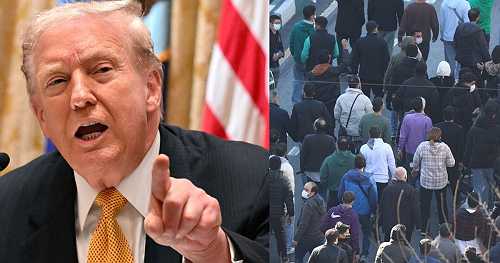
Trump's actions against Iranian leaders could inspire protests but might face countermeasure measures, indicating a strategic blend of intimidation and potential counteraction.
 The Unrelenting Spirit of the Iranian People: A Turning Point for Their Islamic Rulers?
As I sit down to write this piece, my heart is filled with a mix of emotions - hope, concern, and admiration. The news from Iran has been flooding our screens for weeks now, and it's hard not to be moved by the sheer determination and resilience of its people. The largest anti-government protests in years have swept across the country, sparked by the crashing currency and failing economy. But what's driving these protests? And will they mark a turning point for Iran's Islamic rulers?
According to experts, the protests were ignited by the same core issues that led to the uprisings after the death of Mahsa Amini in 2022 - systemic mismanagement, corruption, and repression. The people of Iran have had enough of their government's failures, and they're taking to the streets to demand change. Thousands are filling the streets, with human rights groups estimating at least 65 lives lost so far. Hospitals are overwhelmed, and state media has labeled the protesters as terrorists.
But what's remarkable is that despite the brutal crackdowns, the protests continue to grow in strength and numbers. The Iranian people are not just fighting for their economic well-being; they're also seeking freedom from a regime that has ruled them with an iron fist for 47 years. As one expert noted, "This is an Islamic Republic that's backed into a corner, and it's lashing out." And that's exactly what we're seeing - brutal crackdowns, internet shutdowns, and warnings to the international community to stay away.
And then there's President Trump's role in all this. His warnings to Iranian leaders have been seen as both alarming and inspiring by many. Maziar Bahari, editor of the independent news site Iranwire, believes that Mr. Trump's words have scared many officials but also encouraged protesters to come out in support of their cause. "The leader of the world's main superpower is supporting our cause," he said.
But will this be enough to bring about change? Experts are skeptical, pointing out that the Iranian regime has shown no signs of reforming its behavior despite decades of criticism and sanctions. As one expert noted, "Unfortunately, this is a regime that's been in power for 47 years and it has not changed its behavior, nor will it because the president of the United States makes a threat."
So what does the future hold? Will these protests mark a turning point for Iran's Islamic rulers? Only time will tell. But one thing is certain - the Iranian people are not going to give up without a fight. They're demanding change, and they're willing to risk everything to get it.
As I finish writing this piece, I'm filled with a sense of hope and admiration for the Iranian people. Their spirit is unrelenting, their determination inspiring. And who knows? Maybe these protests will be the catalyst for real change in Iran. Maybe they'll mark the beginning of a new era for its people - one where freedom, justice, and human rights are not just words on paper but a reality.
The world is watching, and we can only hope that this time, something will be different. That this time, the Iranian people's cries for help will not fall on deaf ears. That this time, their struggle for freedom will be met with support and solidarity from around the globe.
As I sign off, I want to leave you with a quote from Maziar Bahari - "Many people have called what is happening in Iran right now a revolution." Let's hope that it is indeed a turning point for its people. A turning point towards freedom, justice, and a brighter future.
Topic Live