




Iran warns Washington that it will respond if the US attacks | Africanews
 Iran's Warning Shot: A Call for Retaliation Against US Aggression
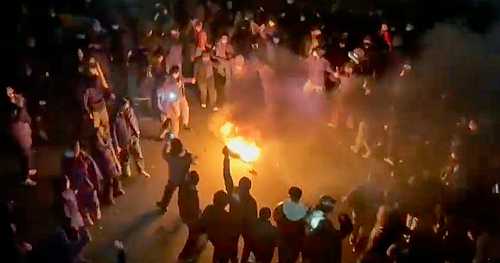
As the world watches with bated breath, Iran has issued a stark warning to Washington: if the United States launches an attack on its soil, Tehran will retaliate with full force. This bold declaration comes amidst a backdrop of nationwide protests that have been met with brutal suppression by Iranian security forces.
The situation in Iran is nothing short of dire. For weeks now, demonstrators have taken to the streets, demanding change and an end to the regime's authoritarian grip on power. But instead of listening to their pleas, the government has responded with violence, leaving scores dead and many more injured. The international community has been vocal in its condemnation of these atrocities, with US President Donald Trump himself weighing in to offer support to the protesters.
But what happens when words turn into actions? Iran's parliament speaker, Mohammad Baqer Qalibaf, has made it clear that if the United States were to intervene militarily or economically, Tehran would not hesitate to strike back. And this time, it wouldn't just be Iranian targets that are in the crosshairs – Israel, along with US military and shipping centers in the region, would also become legitimate targets.
This is no idle threat. Iran has a history of standing up to its enemies, from the 1979 revolution that overthrew the Shah's regime to the present day, when it has consistently defied international pressure on issues like nuclear development and human rights abuses. And with its military might and strategic location in the Middle East, Tehran is well-equipped to deliver on its promise of retaliation.
But what does this mean for the United States? For one, it highlights the risks of military intervention in a complex and volatile region. The US has long been accused of meddling in Iranian affairs, from supporting opposition groups to imposing economic sanctions that have crippled the country's economy. And now, with tensions running high, the threat of all-out war looms large.
Yet, despite these dangers, there are those who argue that military action is still on the table. Some see it as a necessary evil, a means to an end in the pursuit of regime change or protection for Iranian protesters. But this line of thinking ignores the very real consequences of such actions – not just for Iran, but for the entire region.
The Middle East is already a powder keg, with conflicts simmering from Syria to Yemen and beyond. The last thing it needs is another war, one that would draw in global powers and plunge the world into chaos. And yet, despite these risks, some still advocate for military action as a solution to Iran's problems.
But what about the protesters themselves? What do they want, and how can their demands be met without resorting to violence or aggression? The answer lies not in bombs or bullets, but in dialogue and diplomacy. It's time for the international community to come together and support a peaceful resolution to this crisis – one that prioritizes the rights and dignity of Iranian citizens above all else.
In conclusion, Iran's warning shot is a stark reminder of the dangers of military intervention and the importance of finding peaceful solutions to complex problems. As we watch events unfold in Tehran, let us remember the human cost of conflict and strive for a better way forward – one that prioritizes dialogue, diplomacy, and the rights of all people involved.
Topic Live