




Kenyan women were fighting for their land rights when their husbands died.
 The Unseen Struggle of Kenyan Widows: Fighting for Land Rights and Dignity
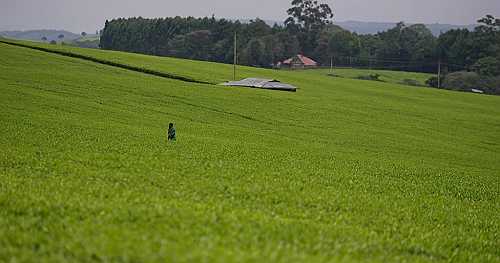
In a country where tradition and culture often take precedence over law, thousands of women in western Kenya are fighting an uphill battle for their land rights. The story of Rebecca Anyango, a 70-year-old widow from Kericho, is a stark reminder of the injustices faced by many widows in rural areas. For 26 years, Anyango has called her house home, but now she's facing eviction by her late husband's family, who claim she has no inheritance rights.
The situation is not unique to Anyango. In fact, it's a common phenomenon in Kenya, where women are often stripped of their land and property after the death of their husbands. The country's Constitution guarantees women's right to ownership, but this promise remains largely unfulfilled. In rural areas, widowhood can come with its own set of cultural expectations and practices that can be considered illegal.
Take, for instance, the case of Anne Bonareri, a 60-year-old woman from western Kenya who was forced into marriage with her late husband's brother after his death. When she refused, armed men were sent to attack her, leaving her with nothing but a photo of her late husband and three young children to care for. It's stories like these that highlight the need for change.
In November, a glimmer of hope emerged in Siaya County, where the local assembly unanimously passed a Widows Protection Bill. The legislation, championed by county legislator Scholastica Madowo, aims to criminalize the disinheritance of women and their forced remarriage. If signed into law, it will also establish welfare committees to help widows access legal aid.
But this is just the beginning. Activist Emma Mong'ute, daughter of Bonareri, has been working tirelessly to support women like her mother through her organization, Amandla MEK Foundation. By offering legal advice and connecting them with pro bono lawyers, she's helping to break the cycle of poverty that often ensues when widows are stripped of their land.
The statistics are staggering: hundreds of thousands of children are left without a home or any means of support after their fathers die. It's a crisis that requires immediate attention and action. By empowering women with knowledge of their rights and providing them with the necessary tools to assert those rights, we can begin to dismantle the patriarchal systems that perpetuate this injustice.
The fight for land rights is not just about property; it's about dignity. It's about recognizing the value and worth of women in society. As Madowo so eloquently puts it, "We do not want it to be a conflict of men and women in their communities. We want to empower the communities and enlighten them. That these women, their husbands have died, they have got their rights."
It's time for Kenya to take a stand against this injustice. It's time for policymakers to recognize the importance of protecting women's land rights and providing them with the support they need to thrive. As we move forward, let us remember the stories of Anyango, Bonareri, and countless others who have been silenced by tradition and culture. Let us amplify their voices and create a future where women are treated as equals, not second-class citizens.
The struggle for land rights is far from over, but with determination, courage, and collective action, we can create a brighter future for Kenyan widows and their families. It's time to rise up and demand justice for these unsung heroes of our society.
Topic Live