




Cincinnati's Historic Decline in Opioid-Related Deaths: A Decade of Progress
 A decade ago, Cincinnati was at the epicenter of America's deadliest drug crisis. The city's streets were plagued by opioid overdoses, with carfentanil - a synthetic opioid 100 times more potent than fentanyl and 10,000 times more potent than morphine - wreaking havoc on communities.
A Decade of Devastation
In 2016, carfentanil hit the streets of Cincinnati, pushing first responders to the brink. The impact was immediate and deadly, with nearly 400 carfentanil-involved deaths reported in Ohio that year alone. The state recorded nearly 3,500 overdose deaths involving any opioid, a 35% increase from the previous year.
A Historic Reversal
Fast forward to today, and Cincinnati is part of a historic decline in opioid-related deaths. According to the CDC, the crisis peaked in 2023 at 111,000 total overdose deaths, but has fallen every 12-month period since. For the 12-month period ending in August 2025, the predicted number of drug overdose deaths was down to about 73,000.
Treatment and Prevention: The Key to Success
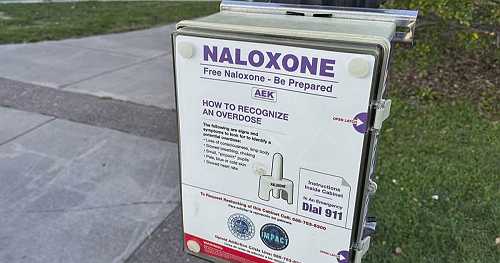
So what's behind this historic reversal? Researchers credit the overdose antidote naloxone and a sudden drop in the potency of drugs coming from China. But Tom Synan, police chief of nearby Newton and head of Hamilton County's Addiction Response Coalition, emphasizes the importance of treatment over enforcement. 'We've been having a war on drugs for decades,' he says, 'but what matters more is not enforcement but the treatment of addiction.'
A Shift in Perspective
The city's residents are also shifting their perspective on the crisis. While some appreciate President Trump's promise to crack down on suppliers and dealers by labeling illicit fentanyl a 'weapon of mass destruction,' others feel that this approach doesn't help solve the problem. 'We've been having a war on drugs for decades, and we're still fighting it,' says one employee at Findlay Market.
Cincinnati's historic decline in opioid-related deaths is a beacon of hope for communities across America. By prioritizing treatment over enforcement and acknowledging the complexities of addiction, we can work towards a future where overdose deaths are a thing of the past.
Topic Live