




The new study reveals how social media is quietly teaching teenage boys about masculinity.
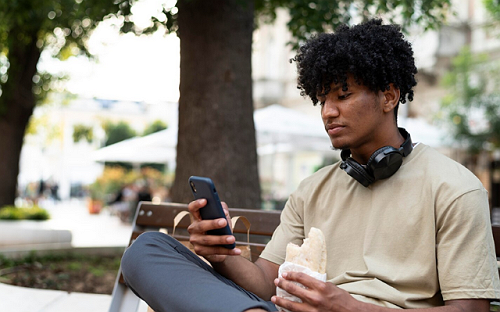 Title: How Social Media Shatters Traditional Societal Definitions of Masculinity
In a world increasingly defined by binary ideals—male, female, or non-binary—the power dynamics between humans are being reshaped through new platforms. A groundbreaking study from Common Sense Media (CSM) reveals how social media is redefining masculinity and erasing traditional societal norms.
1. The Rise of Gender-Specific Expectations Online
The study, published in *Common Sense Media* on October 28, 2025, provides unprecedented insight into how teenagers and their parents are being taught to conform to gender roles online. According to CSM, more than half of teens today actively seek out content labeled as "male" or "female," often at the expense of self-identification. This shift is not merely a matter of fashion but represents a fundamental change in how society views masculinity.
2. The Negative Stereotypes and Body Images
Social media platforms like Instagram and TikTok have become prime places for boys to reflect their perceptions of themselves. Studies show that boys spending more time on these platforms often report lower self-esteem, particularly when it comes to body image. They may feel like less "mature" than they actually are, or may associate masculinity with a lack of confidence.
Moreover, the content consumed by boys online is increasingly labeled as "masculine," reinforcing stereotypes and erasing the idea that gender identities can be shaped through social media. This disempirication of identity is particularly concerning for younger generations, who often grow up in environments where traditional gender roles are deeply ingrained.
3. Cultural References to "The Masculine Man"
One of the most familiar examples of this shift is the prevalence of references to "the masculine man" on social media. These images are often used as symbols of male strength and authority, yet they perpetuate harmful stereotypes that equate masculinity with physical strength or beauty. As boys grow up, they may develop negative self-perceptions tied to these stereotypes, believing themselves less capable or less attractive than their peers.
4. The Implications for Parents and Educators
The study raises serious questions about how parents and educators should approach teaching their children about masculinity. It suggests that the power to shape gender identities lies entirely in the hands of young people, a concept known as "pedagogy for kids." But there are already real risks when we allow these identities to take root without proper guidance.
5. The Need for Education
The article calls for greater awareness and support for how social media is influencing masculinity identities. It emphasizes that traditional gender roles should not be used to judge individuals, but rather as tools for fostering empathy and respect within relationships. Parents and educators need to encourage children to challenge these norms, to see themselves as part of a diverse and inclusive society.
6. The Future of Identity
In the coming years, the study warns about a potential shift in how we identify with ourselves. As social media continues to shape our identities, so too may we lose the ability to truly recognize who we are. Until then, boys will have to learn on their own—how to navigate these new expectations, how to resist when others suggest otherwise.
Conclusion
The study from Common Sense Media highlights a critical transformation in how gender is taught and perceived by young people. While social media offers a window into a world increasingly defined by binary identities, it also creates opportunities for redefining what we consider as masculinity. As society continues to grow, the stakes are higher—when boys stop being shaped by these new norms, they risk eroding their ability to see themselves authentically. The answer lies in fostering empathy, encouraging self-awareness, and setting healthy boundaries with our tech partners.
------
#NEWS #CommonSenseMedia #masculinity #newstudy #ResearchStudy #Study