







Target Boycott Update: Pastor Jamal Bryant Ends Campaign, But Activists Say Fight Isn't Over
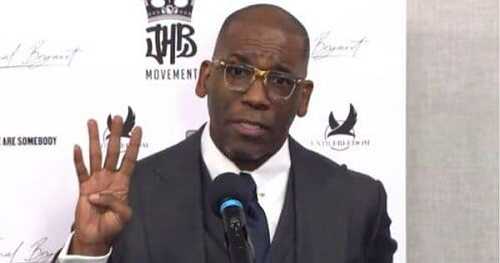 In a surprise move, Pastor Jamal Bryant has announced the end of the nationwide Target boycott, citing significant progress made by the retailer in meeting his group's demands. However, not everyone is celebrating this development, as some activists are urging shoppers to remain cautious and continue avoiding Target stores.
Pastor Jamal Bryant Ends Boycott After Year-Long Campaign
Last week, Pastor Jamal Bryant announced the end of the 'Target Fast' boycott, which was launched in March 2025 after the company rolled back its workplace and supplier diversity programs. In a video posted on Instagram, Bryant praised Target for investing $2 billion in Black-owned businesses and meeting three out of four main demands, including new programs supporting historically Black colleges and universities.
Activists Criticize Bryant's Decision to End Boycott
However, not everyone is happy with Bryant's decision. The Racial Justice Network, which led the first national boycott, held a press conference in Minneapolis, urging shoppers to continue avoiding Target stores. Founder Nekima Levy Armstrong criticized Bryant's move, saying calling off the boycott without full results 'is a slap in the face' and insisting that the fight for diversity, equity, and inclusion accountability is far from over.
Target's Progress on Diversity and Inclusion
According to Atlanta Black Star, Target is testing partnerships to open retail training centers at HBCUs, with plans to expand to 12 schools. The company has also pledged an additional $100 million for urgent community needs. While details about the DEI 'reimagining' are still unclear, Bryant highlighted the positive impact on Black employment remains uncertain.
Fourth Demand Remains Unfulfilled
One of the main demands that has not yet been fulfilled is depositing $250 million in Black-owned banks. Bryant expressed hope that this will happen under new CEO Michael Fiddelke, but activists are skeptical about the company's commitment to true change.
The Target boycott may be over for now, but the fight for diversity, equity, and inclusion accountability is far from it. As Bryant himself acknowledged, 'the most effective and powerful boycott by Black people since the Montgomery bus boycott' has brought attention to the need for greater representation and investment in Black communities. While some progress has been made, there is still much work to be done to ensure that companies like Target truly prioritize diversity and inclusion.






