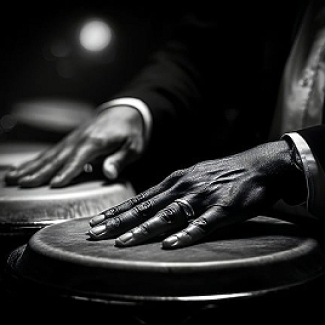


THE PRICE OF CLEAN HANDS
PART 2
The years did not pass; they were carved, one hard day at a time, into Chinedu’s soul. He became a machine of profit, a phantom of dedication. His father’s words were no longer just advice—they were the chains that kept him going, and the bars of a cage he could not yet see.
Uncle Ebuka’s one stall became an empire under Chinedu’s hands. It started with a second stall, just across the alley. Uncle Ebuka put a lazy cousin there, but sales were poor. After two months, he moved Chinedu between the two. Like magic, both thrived. The money was no longer just a pile in a metal box; it was stacked in bank accounts, used to buy plots of land.
Chinedu’s sweet tongue became legendary in Alabama Market. Customers would ask for “the Golden Boy.” They trusted him. He could sell a refrigerator to a man who lived in a single room. “Uncle, it’s not just for food,” he’d say, his voice earnest. “It is a cupboard, a safe, a symbol of your next step. Your wife will praise you every day.” And the man would buy.
By the fifth year, Uncle Ebuka owned four shops. One for televisions, one for sound systems, one for generators, and the flagship—a spacious store for the finest “nearly-new” laptops and phones, managed solely by Chinedu. The sign above it read ‘EBUKA’S ELITE ELECTRONICS’ in bold, blue letters, but every trader knew its true name: ‘Chinedu’s Domain.’
With the wealth came a new life for Uncle Ebuka. He built a mansion in the sleek suburb of Ikeja. It was a palace of polished marble and shiny gates, with two tall statues of lions at the entrance. He built four other houses in choice parts of Lagos, which he rented out for huge sums. He bought big, foreign cars that gleamed like wet coal.
And Chinedu? He moved from the tiny room behind the market to a small, airless storage room at the back of Uncle Ebuka’s new mansion. It was meant for gardening tools. It had no window, only a high vent. A thin mattress lay on the concrete floor. A single naked bulb hung from the ceiling. This was his reward.
Here, he met the true face of his suffering: Aunty Nkechi, Uncle Ebuka’s wife.
If Uncle Ebuka was greedy, Aunty Nkechi was cruel for the sake of it. She was a woman made sharp by sudden wealth, with long, polished nails and eyes that found fault in everything Chinedu did. She saw him not as the source of her luxury, but as a slave who deserved none of it.
Her mistreatment was a daily poison.
“Hunger is a sharpener,” she would say when Chinedu came home from 14 hours in the market. She would have given the leftover food to the dogs, or deliberately cooked just enough for her family. Many nights, Chinedu’s dinner was a piece of dry bread and a cup of water, saved for him by a sympathetic kitchen girl who risked a beating.
The insults were constant. “Market boy,” she’d sneer. “You smell of the poor. Don’t breathe too close to my curtains.” She would make him kneel on the rough driveway for hours to pick tiny stones out of the gravel because his “presence disturbed the harmony of her compound.”
The humiliation was calculated. When her important friends visited, she would summon him from his room. “Chinedu! Come and show my friends how a village boy greets properly.” And he would have to prostrate fully on the floor, his face in the dust, while they laughed.
The worst were the errands. Exhausted from the market, his bones aching, Chinedu would just lie down on his mattress when her shrill voice would cut through the door.
“Chinedu! Are you sleeping? You think this is a hotel? My daughter needs a new textbook from Victoria Island. Go now!”
“Chinedu!The traffic is gone. Go to the market and bring the account ledger I forgot.”
“Chinedu!It’s midnight, but I am craving suya from that specific seller in Mile 12. Be quick.”
He would trek under the lonely moonlight, sometimes for miles, because the bus fare was “a waste” on him. He would return near dawn, his body a shadow, only to wash his face, change his clothes, and rush back to open the shops by 6 a.m.
Through it all, Uncle Ebuka saw everything. He saw the hollows forming under Chinedu’s eyes. He saw him growing thinner, a ghost in his own home. He would be sitting in his plush living room, watching football on a giant television Chinedu had sold, while his wife shouted orders outside.
But Uncle Ebuka never raised an eyebrow. He never said, “Wife, let him rest.” He never said, “This boy is the reason we eat from gold plates.” Instead, he would sometimes call Chinedu privately, pat his shoulder, and feed him empty promises.
“You see how God is blessing us? You are part of this blessing, my son. Just be patient. When the seven years are finished, you will see. Your own mansion will be bigger than this. Just ignore the woman. She doesn’t understand business.”
Chinedu swallowed it all. The insults tasted like bile. The hunger pangs were like knives in his stomach. The exhaustion was a heavy blanket trying to smother him. He swallowed them all, coating them with the bitter medicine of his father’s words.
‘Be humble… Be more dedicated… Your hands are clean…’
He worked harder. He sold more. He turned Uncle Ebuka into one of the richest traders in all of Lagos. He became a legend in the market, but a ghost in the house that his labor built.
One particularly brutal night, after Aunty Nkechi had made him wash all three cars at midnight for a vague “smudge,” Chinedu collapsed onto his thin mattress. The concrete wall felt cold against his feverish skin. From the main house, he heard the sound of laughter—Uncle Ebuka, his wife, and their children watching a movie in their home theater.
In that dark, tool-scented room, a treacherous new thought, sharp as a razor, cut through the mantra of his father’s advice.
How can hands stay clean, the thought whispered, when everything they touch is turned to gold for someone else?
He pushed the thought away, terrified. But it had been born. It would fester.
He closed his eyes, not knowing that the final year of his service was approaching. And with it, not a reward, but a betrayal so deep it would scorch the last bit of his soul and birth a new, dangerous man from the ashes.
To be continued… #nigeriafolktales #kenyanfolktales #ghanianfolktales #zambianfolktales #ugandanfolktales #gambianfolktales #storytellingtime #viralvideos #explorepage #trendingreel #StorytellingMagic #drambox #storyteller #talesbymoonlight #fypage #fictionalstory #fictionalstorytelling #africanstorytelling #africantales #africanstoryteller #fictionalwritter #fictionalwritter #fypchallengeシ゚viralシfypシ゚viral #africanfolktaleswithmorallessons #storytime #africanfolktales #africastories
PART 2
The years did not pass; they were carved, one hard day at a time, into Chinedu’s soul. He became a machine of profit, a phantom of dedication. His father’s words were no longer just advice—they were the chains that kept him going, and the bars of a cage he could not yet see.
Uncle Ebuka’s one stall became an empire under Chinedu’s hands. It started with a second stall, just across the alley. Uncle Ebuka put a lazy cousin there, but sales were poor. After two months, he moved Chinedu between the two. Like magic, both thrived. The money was no longer just a pile in a metal box; it was stacked in bank accounts, used to buy plots of land.
Chinedu’s sweet tongue became legendary in Alabama Market. Customers would ask for “the Golden Boy.” They trusted him. He could sell a refrigerator to a man who lived in a single room. “Uncle, it’s not just for food,” he’d say, his voice earnest. “It is a cupboard, a safe, a symbol of your next step. Your wife will praise you every day.” And the man would buy.
By the fifth year, Uncle Ebuka owned four shops. One for televisions, one for sound systems, one for generators, and the flagship—a spacious store for the finest “nearly-new” laptops and phones, managed solely by Chinedu. The sign above it read ‘EBUKA’S ELITE ELECTRONICS’ in bold, blue letters, but every trader knew its true name: ‘Chinedu’s Domain.’
With the wealth came a new life for Uncle Ebuka. He built a mansion in the sleek suburb of Ikeja. It was a palace of polished marble and shiny gates, with two tall statues of lions at the entrance. He built four other houses in choice parts of Lagos, which he rented out for huge sums. He bought big, foreign cars that gleamed like wet coal.
And Chinedu? He moved from the tiny room behind the market to a small, airless storage room at the back of Uncle Ebuka’s new mansion. It was meant for gardening tools. It had no window, only a high vent. A thin mattress lay on the concrete floor. A single naked bulb hung from the ceiling. This was his reward.
Here, he met the true face of his suffering: Aunty Nkechi, Uncle Ebuka’s wife.
If Uncle Ebuka was greedy, Aunty Nkechi was cruel for the sake of it. She was a woman made sharp by sudden wealth, with long, polished nails and eyes that found fault in everything Chinedu did. She saw him not as the source of her luxury, but as a slave who deserved none of it.
Her mistreatment was a daily poison.
“Hunger is a sharpener,” she would say when Chinedu came home from 14 hours in the market. She would have given the leftover food to the dogs, or deliberately cooked just enough for her family. Many nights, Chinedu’s dinner was a piece of dry bread and a cup of water, saved for him by a sympathetic kitchen girl who risked a beating.
The insults were constant. “Market boy,” she’d sneer. “You smell of the poor. Don’t breathe too close to my curtains.” She would make him kneel on the rough driveway for hours to pick tiny stones out of the gravel because his “presence disturbed the harmony of her compound.”
The humiliation was calculated. When her important friends visited, she would summon him from his room. “Chinedu! Come and show my friends how a village boy greets properly.” And he would have to prostrate fully on the floor, his face in the dust, while they laughed.
The worst were the errands. Exhausted from the market, his bones aching, Chinedu would just lie down on his mattress when her shrill voice would cut through the door.
“Chinedu! Are you sleeping? You think this is a hotel? My daughter needs a new textbook from Victoria Island. Go now!”
“Chinedu!The traffic is gone. Go to the market and bring the account ledger I forgot.”
“Chinedu!It’s midnight, but I am craving suya from that specific seller in Mile 12. Be quick.”
He would trek under the lonely moonlight, sometimes for miles, because the bus fare was “a waste” on him. He would return near dawn, his body a shadow, only to wash his face, change his clothes, and rush back to open the shops by 6 a.m.
Through it all, Uncle Ebuka saw everything. He saw the hollows forming under Chinedu’s eyes. He saw him growing thinner, a ghost in his own home. He would be sitting in his plush living room, watching football on a giant television Chinedu had sold, while his wife shouted orders outside.
But Uncle Ebuka never raised an eyebrow. He never said, “Wife, let him rest.” He never said, “This boy is the reason we eat from gold plates.” Instead, he would sometimes call Chinedu privately, pat his shoulder, and feed him empty promises.
“You see how God is blessing us? You are part of this blessing, my son. Just be patient. When the seven years are finished, you will see. Your own mansion will be bigger than this. Just ignore the woman. She doesn’t understand business.”
Chinedu swallowed it all. The insults tasted like bile. The hunger pangs were like knives in his stomach. The exhaustion was a heavy blanket trying to smother him. He swallowed them all, coating them with the bitter medicine of his father’s words.
‘Be humble… Be more dedicated… Your hands are clean…’
He worked harder. He sold more. He turned Uncle Ebuka into one of the richest traders in all of Lagos. He became a legend in the market, but a ghost in the house that his labor built.
One particularly brutal night, after Aunty Nkechi had made him wash all three cars at midnight for a vague “smudge,” Chinedu collapsed onto his thin mattress. The concrete wall felt cold against his feverish skin. From the main house, he heard the sound of laughter—Uncle Ebuka, his wife, and their children watching a movie in their home theater.
In that dark, tool-scented room, a treacherous new thought, sharp as a razor, cut through the mantra of his father’s advice.
How can hands stay clean, the thought whispered, when everything they touch is turned to gold for someone else?
He pushed the thought away, terrified. But it had been born. It would fester.
He closed his eyes, not knowing that the final year of his service was approaching. And with it, not a reward, but a betrayal so deep it would scorch the last bit of his soul and birth a new, dangerous man from the ashes.
To be continued… #nigeriafolktales #kenyanfolktales #ghanianfolktales #zambianfolktales #ugandanfolktales #gambianfolktales #storytellingtime #viralvideos #explorepage #trendingreel #StorytellingMagic #drambox #storyteller #talesbymoonlight #fypage #fictionalstory #fictionalstorytelling #africanstorytelling #africantales #africanstoryteller #fictionalwritter #fictionalwritter #fypchallengeシ゚viralシfypシ゚viral #africanfolktaleswithmorallessons #storytime #africanfolktales #africastories

Topic Live