

THE PRICE OF CLEAN HANDS
PART 3
The seventh year arrived not with a celebration, but with a heavy, silent weight in Chinedu’s chest. It sat there, behind his ribs, next to the echo of his father’s voice. Seven years. The words had been a lighthouse, a fixed point in the exhausting storm of his days. He had marked them off in his mind—with every insult swallowed, every midnight errand run, every million-naira sale he made for a man who called him son but treated him as a tool.
He prepared himself for the talk. He practiced humble gratitude in the cracked mirror of his storeroom. “Uncle, thank you for the training. With your blessing, I will now begin my own small venture.” He dreamed of a single stall, a corner of the market to call his own. It was all he wanted.
The summons came not from Uncle Ebuka, but from Aunty Nkechi. She called him into the “sitting room,” a place of chilled air and forbidden plush sofas where he was never allowed to sit.
“Chinedu, sit there,” she said, pointing to a low stool. She remained on the throne-like sofa, a glass of chilled Chapman in her hand. Her smile was a strange, unfamiliar thing on her face. It didn’t reach her eyes.
“We have seen your hard work,” she began, her voice sweet like spoiled honey. “My husband and I, we talk every night. We are not ungrateful people.”
Chinedu’s heart, for the first time in years, gave a fragile flutter of hope.
“Your seven years are finished. Yes, we know.” She took a slow sip. “But see, this is the problem. The business is now so big. It needs your touch. The junior boys are foolish, they will run it into the ground in six months. All you have suffered to build… poof… it will vanish.”
She leaned forward, the smile still plastered on her face. “My husband wants to settle you in a big, big way. Not just a shop. Maybe a whole showroom! But these things take time to arrange. Money is not the issue, but connections, documents, location… these things need three more years to perfect.”
The words hit Chinedu like physical blows. Three more years. The air left his lungs. The lighthouse in his mind flickered and went dark.
“No, Aunty, I…” his voice was a dry whisper.
“Listen to me!” she cut in, the sweetness hardening at the edges. “Is it not better to wait three more years and get something magnificent, than to rush now and get a chicken-change business that will fail? Use these three years to train the junior boys properly. Make the business so strong it can run without you. Then, you can leave as a true boss, not a struggling boy. This is our final blessing to you.”
Chinedu was dizzy with confusion. The logic was a poisoned chain, each link seeming reasonable but together forming a prison. He looked to Uncle Ebuka, who had just entered the room, pretending to be surprised by the conversation.
“Uncle, please…” Chinedu’s voice broke.
Uncle Ebuka adopted a look of fatherly concern. “My wife has spoken the truth from my own mouth, Chinedu. I want the best for you. You are like my first son. Do you think I will settle you with something small? Let us do it properly. Three years is nothing compared to a lifetime of success. I beg you, do this for me.”
I beg you. The master was begging the servant. The manipulation was complete. Trapped by his own humility, choked by the debt of false family, Chinedu felt the last flicker of his dream sputter and die. With a soul-deep sigh that seemed to age him on the spot, he nodded his acceptance. The promise was postponed, and a part of him was buried alive in that polished sitting room.
The three-year extension was not a continuation; it was a descent into a new kind of hell. Now, he worked with the bitter knowledge that the finish line had been moved. His hard work took on a frantic, desperate quality. He trained the junior boys, but with a hollow heart, seeing them not as students but as his replacements-in-waiting, the nails in the coffin of his own freedom.
Meanwhile, Uncle Ebuka’s expansion exploded with the funds Chinedu’s relentless labor provided.
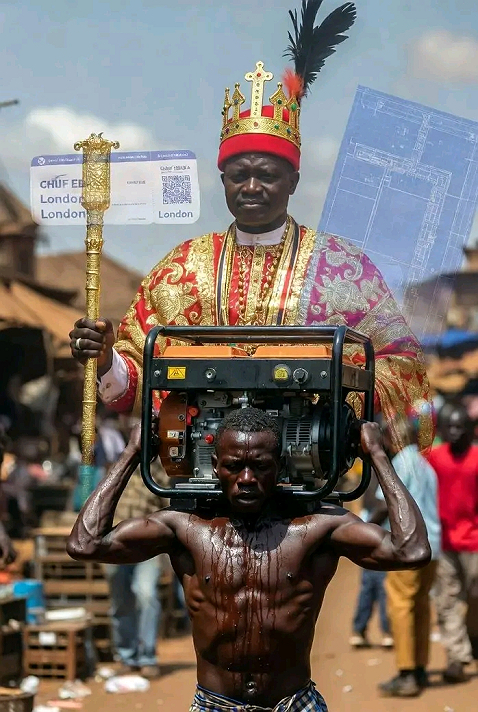
· The children were sent abroad: His two sons were flown to universities in “London” and “Canada,” their tuition fees paid for by generators Chinedu sold.
· The buildings multiplied: A new row of shops sprung up at the market’s entrance. A hotel project began in his village. The mansion in Lagos got a new swimming pool, its blue water a cruel mirror to the sky Chinedu never had time to look at.
· The honors rained down: Uncle Ebuka, now called “Chief Ebuka” after receiving a chieftaincy title, began to walk with a slower, more important gait. He was given awards: “Businessman of the Year,” “Pillar of the Community.” He gave speeches praising “hard work and destiny,” never once mentioning the thin, tired young man who made it all possible.
And Aunty Nkechi? She became the living, breathing symbol of the luxury his sweat funded.
She embarked on a mission to consume and display. Her life became a parade of shopping sprees in Dubai, vacations in “Miami,” and parties at the fanciest Lagos hotels. She returned from every trip laden with “proof”: Louis Vuitton bags, Gucci shoes that cost more than Chinedu would make in five years, stacks of gold jewelry that glittered heavily on her wrists and neck.
At parties, her voice was the loudest. “Ah, my husband, the Chief, has done so well! See this new bracelet? He just bought it for me. The business is just flowing like water!” She would pose for pictures, a towering gele on her head, draped in expensive aso-oke, with Chinedu sometimes visible in the blurred background, carrying a cooler or arranging chairs, another piece of the furniture her wealth had purchased.
Chinedu saw it all. He carried her luggage from the sleek cars. He heard her brags through the kitchen window. He saw the pictures on social media, glowing on the smartphones he himself had sold. The hunger in his stomach and the ache in his bones became a silent, screaming protest against the glittering injustice that surrounded him.
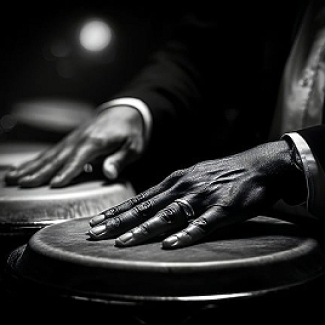
One night, after arranging the entire compound for Aunty Nkechi’s “Annual Thanksgiving Party,” where she showed off a new diamond ring to her friends, Chinedu collapsed into his storeroom. The sounds of laughter and music from the main house were a taunting soundtrack. He looked at his rough, clean hands—hands that had built an empire for another.
His father’s voice came again, but this time, it was twisted, broken. Be humble… he had been a doormat. Be dedicated… he had been a slave. Your hands are clean… but they were empty.
A new, dark, and terrifying thought rose, not as a whisper, but as a clear, cold statement in his mind: I am not a son. I am a resource. And when a resource is drained, it is thrown away.
The three years were ticking down. But the naive, hopeful boy from the village was gone. In his place was a man who could calculate profit and loss down to the very last drop of dignity. And he was starting to understand the real price of everything.
To be continued… #nigeriafolktales #kenyanfolktales #ghanianfolktales #zambianfolktales #ugandanfolktales #gambianfolktales #storytellingtime #viralvideos #explorepage #trendingreel #StorytellingMagic #drambox #storyteller #talesbymoonlight #fypage #fictionalstory #fictionalstorytelling #africanstorytelling #africantales #africanstoryteller #fictionalwritter #fictionalwritter #fypchallengeシ゚viralシfypシ゚viral #africanfolktaleswithmorallessons #storytime #africanfolktales #africastories
PART 3
The seventh year arrived not with a celebration, but with a heavy, silent weight in Chinedu’s chest. It sat there, behind his ribs, next to the echo of his father’s voice. Seven years. The words had been a lighthouse, a fixed point in the exhausting storm of his days. He had marked them off in his mind—with every insult swallowed, every midnight errand run, every million-naira sale he made for a man who called him son but treated him as a tool.
He prepared himself for the talk. He practiced humble gratitude in the cracked mirror of his storeroom. “Uncle, thank you for the training. With your blessing, I will now begin my own small venture.” He dreamed of a single stall, a corner of the market to call his own. It was all he wanted.
The summons came not from Uncle Ebuka, but from Aunty Nkechi. She called him into the “sitting room,” a place of chilled air and forbidden plush sofas where he was never allowed to sit.
“Chinedu, sit there,” she said, pointing to a low stool. She remained on the throne-like sofa, a glass of chilled Chapman in her hand. Her smile was a strange, unfamiliar thing on her face. It didn’t reach her eyes.
“We have seen your hard work,” she began, her voice sweet like spoiled honey. “My husband and I, we talk every night. We are not ungrateful people.”
Chinedu’s heart, for the first time in years, gave a fragile flutter of hope.
“Your seven years are finished. Yes, we know.” She took a slow sip. “But see, this is the problem. The business is now so big. It needs your touch. The junior boys are foolish, they will run it into the ground in six months. All you have suffered to build… poof… it will vanish.”
She leaned forward, the smile still plastered on her face. “My husband wants to settle you in a big, big way. Not just a shop. Maybe a whole showroom! But these things take time to arrange. Money is not the issue, but connections, documents, location… these things need three more years to perfect.”
The words hit Chinedu like physical blows. Three more years. The air left his lungs. The lighthouse in his mind flickered and went dark.
“No, Aunty, I…” his voice was a dry whisper.
“Listen to me!” she cut in, the sweetness hardening at the edges. “Is it not better to wait three more years and get something magnificent, than to rush now and get a chicken-change business that will fail? Use these three years to train the junior boys properly. Make the business so strong it can run without you. Then, you can leave as a true boss, not a struggling boy. This is our final blessing to you.”
Chinedu was dizzy with confusion. The logic was a poisoned chain, each link seeming reasonable but together forming a prison. He looked to Uncle Ebuka, who had just entered the room, pretending to be surprised by the conversation.
“Uncle, please…” Chinedu’s voice broke.
Uncle Ebuka adopted a look of fatherly concern. “My wife has spoken the truth from my own mouth, Chinedu. I want the best for you. You are like my first son. Do you think I will settle you with something small? Let us do it properly. Three years is nothing compared to a lifetime of success. I beg you, do this for me.”
I beg you. The master was begging the servant. The manipulation was complete. Trapped by his own humility, choked by the debt of false family, Chinedu felt the last flicker of his dream sputter and die. With a soul-deep sigh that seemed to age him on the spot, he nodded his acceptance. The promise was postponed, and a part of him was buried alive in that polished sitting room.
The three-year extension was not a continuation; it was a descent into a new kind of hell. Now, he worked with the bitter knowledge that the finish line had been moved. His hard work took on a frantic, desperate quality. He trained the junior boys, but with a hollow heart, seeing them not as students but as his replacements-in-waiting, the nails in the coffin of his own freedom.
Meanwhile, Uncle Ebuka’s expansion exploded with the funds Chinedu’s relentless labor provided.
· The children were sent abroad: His two sons were flown to universities in “London” and “Canada,” their tuition fees paid for by generators Chinedu sold.
· The buildings multiplied: A new row of shops sprung up at the market’s entrance. A hotel project began in his village. The mansion in Lagos got a new swimming pool, its blue water a cruel mirror to the sky Chinedu never had time to look at.
· The honors rained down: Uncle Ebuka, now called “Chief Ebuka” after receiving a chieftaincy title, began to walk with a slower, more important gait. He was given awards: “Businessman of the Year,” “Pillar of the Community.” He gave speeches praising “hard work and destiny,” never once mentioning the thin, tired young man who made it all possible.
And Aunty Nkechi? She became the living, breathing symbol of the luxury his sweat funded.
She embarked on a mission to consume and display. Her life became a parade of shopping sprees in Dubai, vacations in “Miami,” and parties at the fanciest Lagos hotels. She returned from every trip laden with “proof”: Louis Vuitton bags, Gucci shoes that cost more than Chinedu would make in five years, stacks of gold jewelry that glittered heavily on her wrists and neck.
At parties, her voice was the loudest. “Ah, my husband, the Chief, has done so well! See this new bracelet? He just bought it for me. The business is just flowing like water!” She would pose for pictures, a towering gele on her head, draped in expensive aso-oke, with Chinedu sometimes visible in the blurred background, carrying a cooler or arranging chairs, another piece of the furniture her wealth had purchased.
Chinedu saw it all. He carried her luggage from the sleek cars. He heard her brags through the kitchen window. He saw the pictures on social media, glowing on the smartphones he himself had sold. The hunger in his stomach and the ache in his bones became a silent, screaming protest against the glittering injustice that surrounded him.
One night, after arranging the entire compound for Aunty Nkechi’s “Annual Thanksgiving Party,” where she showed off a new diamond ring to her friends, Chinedu collapsed into his storeroom. The sounds of laughter and music from the main house were a taunting soundtrack. He looked at his rough, clean hands—hands that had built an empire for another.
His father’s voice came again, but this time, it was twisted, broken. Be humble… he had been a doormat. Be dedicated… he had been a slave. Your hands are clean… but they were empty.
A new, dark, and terrifying thought rose, not as a whisper, but as a clear, cold statement in his mind: I am not a son. I am a resource. And when a resource is drained, it is thrown away.
The three years were ticking down. But the naive, hopeful boy from the village was gone. In his place was a man who could calculate profit and loss down to the very last drop of dignity. And he was starting to understand the real price of everything.
To be continued… #nigeriafolktales #kenyanfolktales #ghanianfolktales #zambianfolktales #ugandanfolktales #gambianfolktales #storytellingtime #viralvideos #explorepage #trendingreel #StorytellingMagic #drambox #storyteller #talesbymoonlight #fypage #fictionalstory #fictionalstorytelling #africanstorytelling #africantales #africanstoryteller #fictionalwritter #fictionalwritter #fypchallengeシ゚viralシfypシ゚viral #africanfolktaleswithmorallessons #storytime #africanfolktales #africastories
Topic Live