







‘Myanmar military faces Rohingya population facing genocide at UN court.'
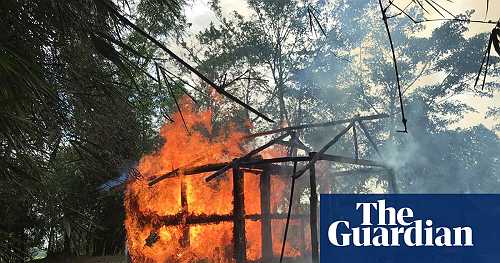 A Landmark Moment for Justice: The Rohingya Genocide Case at the UN Court
As I sit down to write this piece, my heart is filled with a mix of emotions - hope, determination, and a deep sense of justice. Today marks a significant milestone in the long and arduous journey towards accountability for the atrocities committed against the Rohingya people. The United Nations' top court, the International Court of Justice (ICJ), is set to hear a landmark genocide case against Myanmar's military, marking a crucial step forward in the pursuit of truth and justice.
For those who may not be familiar with this story, let me take you back to 2017 when the world witnessed one of the most horrific humanitarian crises of our time. The Myanmar military launched a brutal crackdown on the Rohingya minority, forcing over 700,000 people to flee their homes in search of safety and refuge in neighboring Bangladesh. The scale of the violence was staggering - villages were burned to the ground, women were raped, and children were killed in front of their parents' eyes.
Among those who suffered unimaginable trauma is Monaira, a Rohingya survivor who lost her brother to the military's brutal clearance operations. Her story is a testament to the resilience of the human spirit, as she continues to fight for justice and recognition of the atrocities committed against her people. "Finally, I feel like our voices are being heard," she says, "and like something is going to happen that is positive for the community."
The case before the ICJ is a significant development in this long journey towards accountability. The Gambia, a West African country, has filed a lawsuit against Myanmar's military, accusing them of systematic clearance operations against the Rohingya, including mass murder, rape, and torching villages with the intent to destroy the Rohingya as a group. This is not just a case about individual rights; it's about recognizing the collective trauma inflicted on an entire people.
The ICJ proceedings are historic in nature, marking the first genocide case heard at this level in over a decade. The court will hear arguments from both sides - the Gambia and Myanmar - with survivors like Monaira set to give evidence in what promises to be a pivotal moment for justice. While there's no guarantee of a favorable outcome, the very fact that this case is being heard sends a powerful message: that the international community will not turn a blind eye to such atrocities.
As Mulvey, an expert on international law, notes, even if the court's orders are not implemented in the current environment in Myanmar, they would still represent a crucial step forward. "Let us not forget that situations can change and overnight you can have a change of government, and the court order will remain," she says.
This case is not just about the Rohingya; it sets a precedent for future allegations of genocide. The ICJ's decision will send ripples across the globe, influencing how such cases are assessed and prosecuted in the years to come. It's a reminder that justice may be slow, but it's not impossible.
As we await the outcome of this landmark case, let us remember the countless Rohingya who have lost loved ones, homes, and their sense of security. Let us honor their resilience and determination by standing with them in their quest for truth and accountability.
The ICJ proceedings are a testament to the power of collective action - that even in the face of overwhelming odds, individuals and nations can come together to demand justice. As we move forward, let us continue to amplify the voices of those who have been silenced, and work towards creating a world where such atrocities never happen again.
The Rohingya genocide case at the ICJ is a beacon of hope in these uncertain times. It reminds us that even in the darkest moments, there's always a chance for justice to prevail. Let us hold onto this hope, and continue to push for a world where human rights are respected, and accountability is upheld.
#Myanmar #Internationalcourtofjustice #UnitedNations #SouthandcentralAsia #Bangladesh #TheGambia #Law #Worldnews #Africa #Humanrights #Refugees
Topic Live






